Jalandhar Police Takes Swift Action After Viral Video Exposes Alleged Fake Police Naka
In a significant development from Jalandhar, the local police administration has taken decisive action following the circulation of a controversial video on social media platforms. The video, which gained rapid traction online, featured a youth making serious allegations against a police constable and another individual who allegedly posed as law enforcement officials to conduct an unauthorized vehicle check.
Constable Withdrawn from Security Duty Immediately
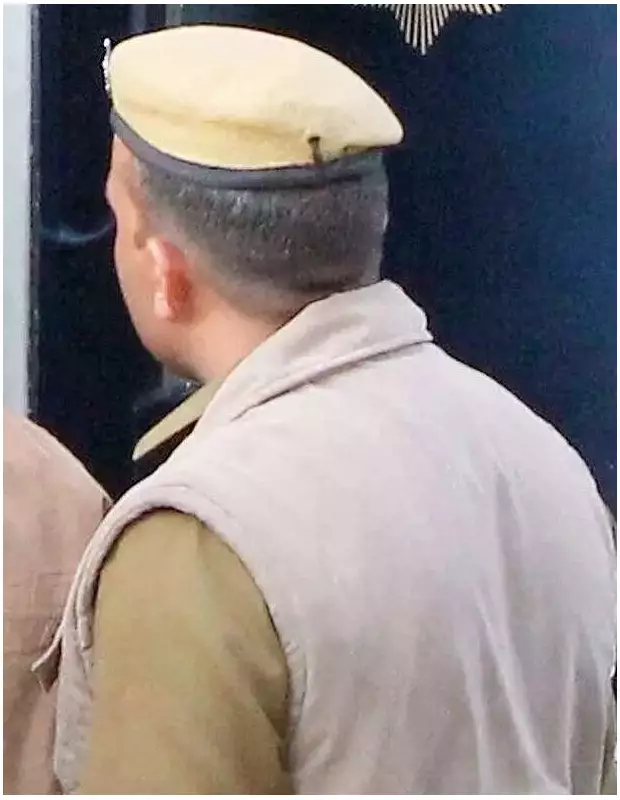
Police authorities responded promptly to the viral content by withdrawing Constable Mani Kumar from his security assignment with a local protectee. The constable has been reassigned to police lines pending further investigation. Model Town Assistant Commissioner of Police Raminder Singh confirmed the administrative action, stating that the decision was made after the video began circulating widely across various social media channels.
The police department has maintained discretion regarding the identity of the protectee for whom the constable was serving as a gunman at the time of the incident. This protective measure aligns with standard security protocols when dealing with individuals requiring police protection.
Detailed Account of the Alleged Incident
According to the youth who posted the video, the confrontation occurred in the market area opposite the Punjab Institute of Medical Sciences. The individual described how he and his friends were stopped by two men who presented themselves as police officials conducting routine document checks, similar to procedures at authorized police nakas (checkpoints).
The situation escalated when the youth noticed irregularities in the conduct of the individuals claiming to be police officers:
- One of the motorcycles being checked reportedly lacked a proper number plate
- When the youth requested official action according to legal procedures, he was allegedly asked to move aside to negotiate a settlement
- The individuals provided inconsistent answers when questioned about their police station posting
- The youth grew suspicious and began recording the interaction on his mobile device
In the video footage, the uniformed constable can be seen engaged in a heated argument with several youths regarding motorcycle documentation. Another individual dressed in civilian clothing also participates in the confrontation but retreats when recording begins. The youth later identified the civilian as a functionary from a local political group, with the constable serving as his assigned security personnel.
Official Police Response and Investigation
ACP Raminder Singh has provided clear assurances regarding the ongoing investigation. "Both parties involved in the video will be called for questioning, and appropriate action will be taken based on established facts and in strict accordance with legal provisions," he stated authoritatively.
The police response demonstrates the department's commitment to accountability and proper procedure when allegations of misconduct surface. By taking immediate administrative action and promising thorough investigation, authorities aim to maintain public trust in law enforcement institutions.
Broader Implications for Police Conduct
This incident highlights several important considerations regarding police-public interactions in contemporary India:
- The increasing role of social media in documenting and reporting alleged misconduct
- The importance of proper identification and procedure during police checks
- The need for clear protocols regarding the conduct of security personnel assigned to protectees
- The value of prompt institutional response to maintain public confidence
As the investigation proceeds, the Jalandhar police department faces the dual challenge of ensuring proper conduct among its personnel while also protecting legitimate security arrangements for individuals requiring police protection. The outcome of this case will likely influence future protocols regarding the deployment and supervision of security personnel in similar situations across the region.