Iran's Supreme Leader Representative Extols New Leader's Virtues and Management Acumen
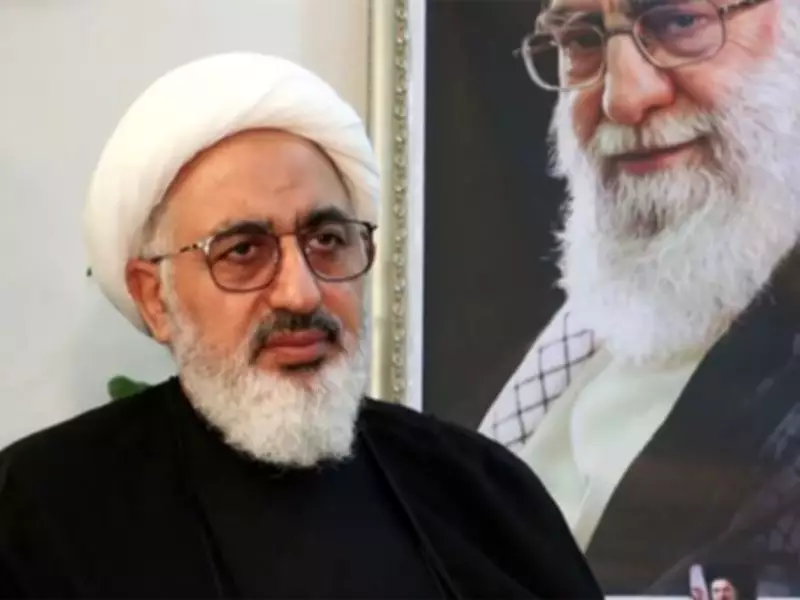
In an exclusive interview with ANI, Abdul Majid Hakeem Ilahi, the representative of Iran's Supreme Leader in India, offered glowing praise for the recently appointed Ayatollah Mojtaba Khamenei, highlighting his personal purity and extensive experience in governance. Ilahi, who shares a close friendship with Khamenei, described the new leader as a figure of exceptional humility and wisdom, emphasizing his modest lifestyle and deep-rooted principles.
Personal Life and Leadership Qualities of Ayatollah Mojtaba Khamenei
Ilahi revealed intimate details about Khamenei's character, stating, "I have had the privilege to have a very close friendship with him for several years. In his personal life, he is very pure. He never uses anything from the government. He lives in a rented house. He doesn't have a car and bank account." This portrayal underscores a leader who eschews material comforts in favor of a simple, principled existence.
Further elaborating on Khamenei's capabilities, Ilahi noted, "He's very pious. His heart is very pure. In the matters of management, he's very smart. He has a very good experience in management because he was under the supervision of his father and some other responsible officials in Iran." Having been classmates, Ilahi attested to Khamenei's intellectual depth, describing him as "a man of theory" who combines wisdom with humility, qualities deemed essential for navigating Iran's complex political landscape.
Strategic Assurance for India Amid Regional Tensions
During the interview, Ilahi addressed the escalating security situation in West Asia, providing a crucial assurance for India. When questioned about the passage of Indian vessels through the strategically vital Strait of Hormuz, he responded affirmatively, "Of course, of course. Yes," confirming that special concessions would be granted to India. This move is framed as a gesture of solidarity, reflecting perceived public support in India for Iran against what Ilahi termed "oppression" by the United States and its allies.
Ilahi explained, "I can say the majority of Indian people are with Iran. They condemned the oppression. They follow justice. And they don't want war. Even I can say they are against the war." He added that the Iranian leadership has been informed of expressions of sympathy from India, particularly regarding incidents like attacks on schools, and is mindful of India's energy needs, stating, "We said that now also they are suffering from a shortage of gas and a shortage of petrol, and we have to provide for them and help them and support them."
Background of the West Asia Conflict and International Concerns
These remarks come against the backdrop of a severe crisis in West Asia, triggered by US-Israeli strikes that resulted in the death of Iran's former Supreme Leader, Ayatollah Ali Khamenei, at age 86. The conflict, which began on February 28, has seen intensified hostilities between Israel and the United States on one side and Iran on the other, raising alarms globally.
United Nations Secretary-General Antonio Guterres has expressed serious concern over the escalating situation, warning that it poses a major threat to global peace and security. In a post on X, Guterres highlighted the immense suffering inflicted on civilians and urged all parties to pursue de-escalation and dialogue. Emphasizing diplomacy as the only viable path forward, he called for an immediate end to hostilities, underscoring the urgent need for peaceful resolution in the region.
The interview with Ilahi not only sheds light on the leadership transition in Iran but also highlights the geopolitical dynamics at play, with India's strategic interests being acknowledged amidst the turmoil. As tensions persist, the assurance of safe passage for Indian vessels through the Strait of Hormuz marks a significant diplomatic gesture, potentially influencing broader regional stability and international relations.