Iranian Navy Firing Incident in Strait of Hormuz Sparks Maritime Confusion
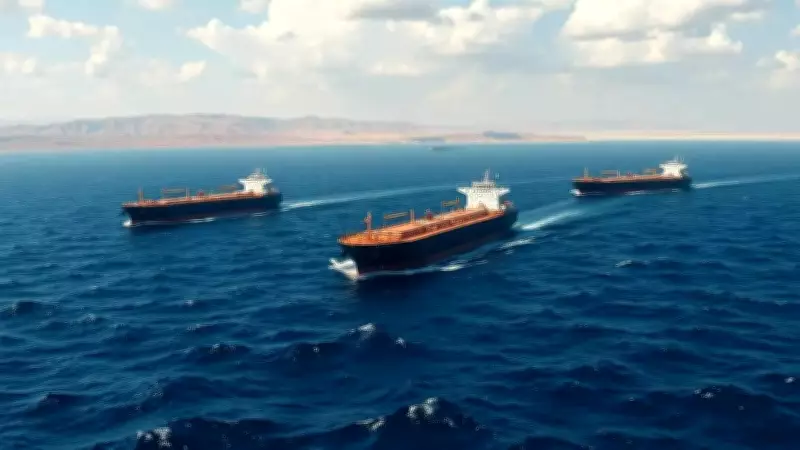
The Strait of Hormuz, a critical global energy choke point, became the scene of a tense maritime confrontation on Saturday as the Iranian Navy reimposed restrictions on passage, casting a shadow over regional ceasefire efforts and ship movements. The incident involved multiple Indian vessels and was vividly captured in audio and video recordings that have since circulated widely.
Distress Call from Indian Tanker Reveals Desperate Pleas
In a harrowing over two-minute audio recording on Channel 16—the international marine radio frequency dedicated to emergency, distress, safety, and calling—the captain of the Indian-flagged oil tanker Sanmar Herald can be heard making repeated appeals to the Iranian Navy. The recording, which has gained significant attention, features the captain stating, “Iranian Navy, Iranian Navy. I will alter to starboard and go back, I will alter to starboard and go back, don't fire...Sepa Navy, Sepa Navy, motor tanker Sanmar Herald. Tired of too many ads? Go ad free now Sepa Navy, you gave me clearance, you gave me clearance to go. My name is second on your list, you gave me clearance to go. You are firing now, let me turn back.”
This distress call highlights the confusion and fear that ensued during the firing, with the captain desperately trying to avoid conflict by promising to turn back. The audio underscores the immediate dangers faced by commercial vessels in the region amid escalating tensions.

Interception of Indian Cargo Ship Bhagya Laxmi
Meanwhile, another video recording of radio communications, captured and shared on social media, reveals that the Indian cargo ship Bhagya Laxmi was approaching the Strait from UAE waters when it was intercepted by Iranian forces. In the recording, an IRGC operator is heard telling the crew, “Hormuz Strait is blocked and there is no permission for you. You are ordered to go back to your departure immediately.” The Iranian Navy personnel also instructed the captain to wait for permission, further complicating the situation for the vessel.
Shipping Ministry Confirms Incident and No Injuries
In response to the events, the Indian shipping ministry issued a statement on Sunday, confirming that one Indian Very Large Crude Carrier (VLCC), Samnar Herald, and another bulk carrier, Jag Arnav, returned to the Persian Gulf following the firing incident while transiting the Strait of Hormuz. The ministry assured that no injuries to any crew members have been reported, providing some relief amid the chaos.
According to Maritime Traffic data, as of Sunday evening, no ships were crossing the Strait of Hormuz, indicating a significant disruption to maritime traffic in this crucial global energy corridor. The incident has raised concerns about the safety and security of commercial shipping in the region, particularly for Indian vessels operating in these waters.
Broader Implications for Maritime Security
The firing incident and the subsequent distress calls from Indian ships highlight the ongoing volatility in the Strait of Hormuz, a key passage for oil shipments worldwide. Iran's reimposition of restrictions has not only disrupted ship movements but also cast doubt on the stability of recent ceasefire agreements. The confusion captured in the audio and video recordings serves as a stark reminder of the risks faced by mariners in geopolitically sensitive areas.
As authorities continue to monitor the situation, the international community is closely watching for further developments that could impact global energy supplies and maritime security. The incident underscores the need for clear communication and adherence to international maritime laws to prevent such dangerous confrontations in the future.