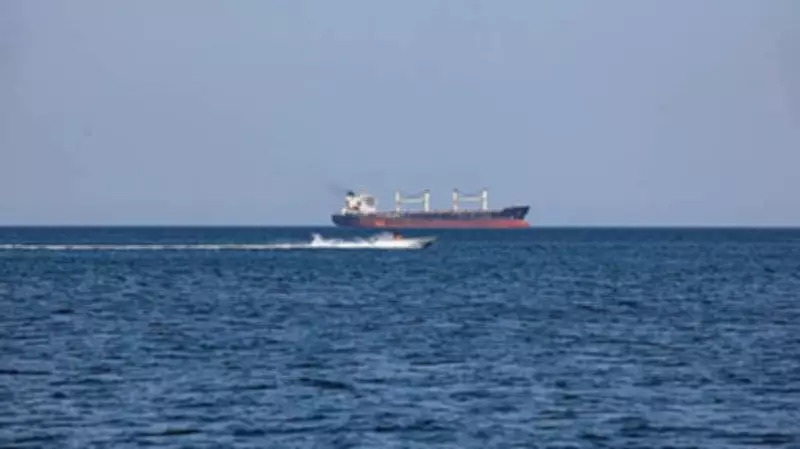
Iran Imposes Strict 15-Ship Daily Limit on Strait of Hormuz Transit Under Ceasefire Terms
In a significant development impacting global energy markets, Iran has announced it will not permit more than fifteen ships to pass through the strategically vital Strait of Hormuz each day as part of a newly established ceasefire agreement. This maritime restriction comes after Iran largely shut down the strait at the onset of a regional conflict in late February, a move that triggered a sharp surge in worldwide oil prices due to the critical role this waterway plays in international crude shipments.
Ceasefire Agreement Brings Conditional Reopening After Months of Blockade
The ceasefire deal, details of which are still emerging, includes specific provisions for the partial reopening of the Strait of Hormuz, which serves as a chokepoint for approximately one-fifth of the world's oil supply. Under the terms, Iran will allow a maximum of fifteen vessels to transit the strait daily, a figure that represents a substantial reduction compared to normal traffic levels. This limitation is designed to maintain a degree of control and leverage for Iran while ostensibly easing the blockade that has strained global energy security for over a month.
Impact on Global Oil Markets and Energy Security
The initial closure of the Strait of Hormuz by Iran in late February had immediate and profound consequences for the global economy. Oil prices experienced a dramatic spike as markets reacted to the sudden constriction of a key maritime artery through which millions of barrels of crude oil flow daily from Middle Eastern producers to consumers worldwide. The new cap of fifteen ships per day, while allowing some resumption of traffic, is expected to keep oil prices elevated and volatile, as supply chains remain constrained and the risk of further disruptions looms large.

Analysts note that the fifteen-ship limit could lead to:
- Continued pressure on global oil inventories and refining capacities.
- Increased shipping costs and insurance premiums for vessels navigating the region.
- Potential shifts in energy trade routes as countries seek alternatives to Hormuz transit.
Geopolitical Implications and Regional Stability
This ceasefire arrangement underscores the ongoing geopolitical tensions in the Middle East, with the Strait of Hormuz at the center of international attention. Iran's ability to influence global energy markets through control of this strait has been a recurring theme in regional conflicts, and the current agreement highlights the delicate balance between military de-escalation and economic pressures. The fifteen-ship quota may serve as a temporary measure to prevent a full-scale escalation while allowing Iran to retain a strategic advantage in negotiations.
Looking ahead, the implementation of this daily limit will be closely monitored by:
- International bodies and maritime security agencies.
- Major oil-importing nations dependent on Hormuz shipments.
- Regional stakeholders seeking to stabilize the volatile situation.
The world watches as this ceasefire unfolds, with the hope that it may pave the way for a more permanent resolution to the conflicts that have jeopardized one of the planet's most crucial maritime passages.