

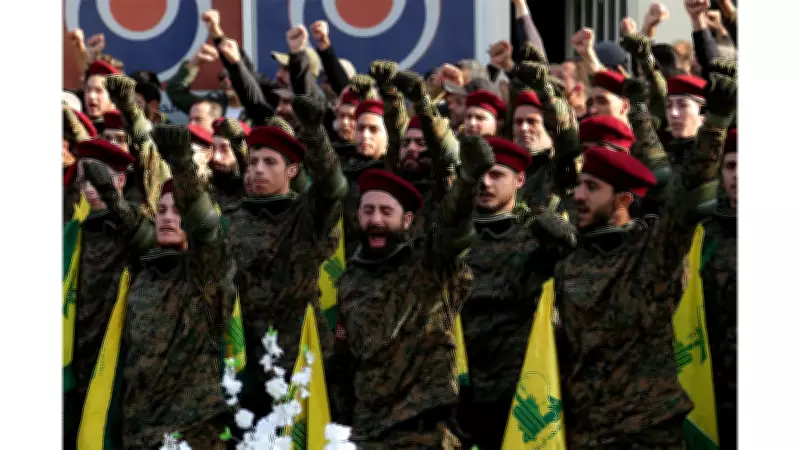
Hezbollah's Iranian Allegiance Puts Lebanon's Sovereignty at Risk
In a stark assessment of Lebanon's political landscape, a geopolitical expert has issued a warning that as long as the militant group Hezbollah remains closely aligned with Iran, the future of Lebanon is not truly its own. This analysis highlights the profound implications of foreign influence on the nation's sovereignty and stability.
The Deep-Rooted Ties Between Hezbollah and Iran
Hezbollah, a Shiite political and military organization based in Lebanon, has maintained a strong and enduring relationship with Iran since its formation in the 1980s. This bond is not merely ideological but is reinforced by substantial financial, military, and logistical support from Tehran. Iran views Hezbollah as a key proxy in the Middle East, using it to extend its influence and counter regional rivals, particularly Israel and Saudi Arabia.
This connection has allowed Hezbollah to grow into a formidable force within Lebanon, wielding significant power in both the political arena and on the battlefield. However, this very strength comes at a cost to Lebanon's autonomy, as the group's actions often align with Iranian interests rather than those of the Lebanese people.

Compromised Sovereignty and National Future
The expert's warning underscores a critical concern: Lebanon's sovereignty is being eroded by Hezbollah's allegiance to Iran. When a non-state actor with such deep foreign ties holds substantial sway over national decisions, it undermines the government's ability to act independently. This dynamic has been evident in various conflicts, where Hezbollah's engagements have drawn Lebanon into regional disputes without broad national consensus.
For instance, Hezbollah's involvement in the Syrian civil war, at Iran's behest, has had repercussions for Lebanon, including economic strain and security threats. Similarly, its ongoing tensions with Israel risk dragging Lebanon into a broader conflict, potentially devastating the country's already fragile economy and infrastructure.
Internal Political Struggles and Regional Tensions
Within Lebanon, Hezbollah's influence has created a complex political environment. The group is part of the government, yet its external loyalties often lead to internal divisions and paralysis. This has hindered efforts to address pressing domestic issues, such as economic recovery, corruption, and public services, further destabilizing the nation.
Regionally, the situation exacerbates tensions. Other Middle Eastern countries, particularly those opposed to Iran, view Lebanon with suspicion due to Hezbollah's presence. This isolation can limit Lebanon's diplomatic and economic opportunities, trapping it in a cycle of dependency and conflict.
The Path Forward for Lebanon
To reclaim its future, Lebanon must navigate a delicate balance. Strengthening state institutions and promoting national unity are essential steps toward reducing Hezbollah's disproportionate influence. International diplomacy could also play a role, with efforts to mediate between regional powers and support Lebanon's sovereignty.
Ultimately, as the expert cautions, Lebanon's destiny hinges on its ability to assert independence from foreign proxies. Without this, the nation risks remaining a pawn in larger geopolitical games, with its people bearing the brunt of the consequences.






