Iran's Parliamentary Committee Greenlights Tolls for Strait of Hormuz Transit
In a move that could significantly impact global energy markets and regional geopolitics, Iran's parliamentary security committee has formally approved a plan to impose tolls on vessels navigating the strategic Strait of Hormuz. This decision marks a pivotal step in Iran's efforts to assert greater control over one of the world's most vital maritime passages, through which approximately one-fifth of the globe's oil supply flows daily.
Details of the Approved Plan and Its Implications
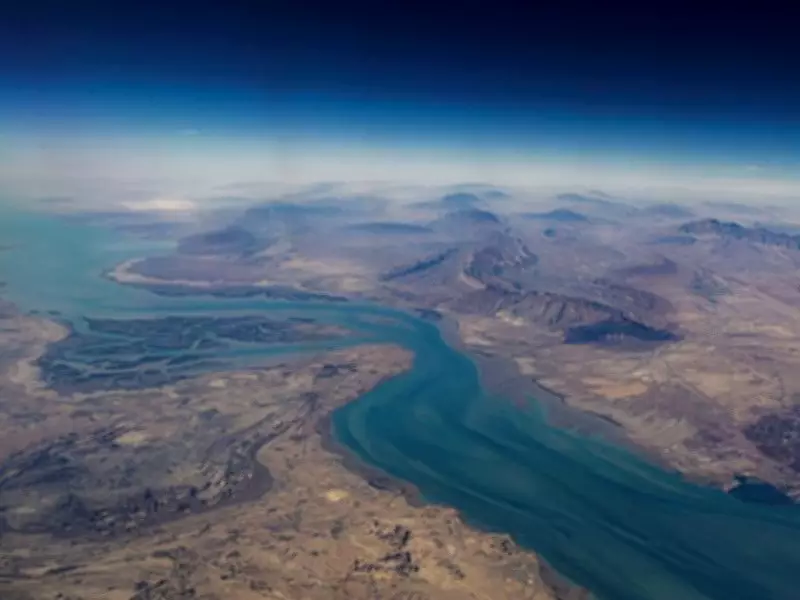
The plan, which received approval from the security committee of Iran's parliament, outlines a framework for charging tolls to ships passing through the Strait of Hormuz. This narrow waterway, situated between the Persian Gulf and the Gulf of Oman, serves as a critical chokepoint for international oil shipments, with millions of barrels transported through it each day. The imposition of tolls is seen as a strategic maneuver by Iran to leverage its geographical position for economic and political gains, potentially generating substantial revenue while reinforcing its influence in the region.
Key aspects of the plan include:

- Legal and Regulatory Framework: The committee's approval paves the way for the establishment of a legal basis to enforce toll collections, which may involve amendments to existing maritime laws or the introduction of new regulations.
- Economic Motivations: Iran, facing economic challenges due to international sanctions, views the tolls as a potential source of income to bolster its economy and fund domestic projects.
- Geopolitical Ramifications: This move could escalate tensions with neighboring countries and global powers, particularly the United States and its allies, who rely heavily on the free flow of oil through the strait for energy security.
Regional and Global Reactions to the Proposal
The approval of the toll plan has sparked concerns among international stakeholders, including oil-importing nations and shipping companies. The Strait of Hormuz is a linchpin in global energy supply chains, and any disruption or additional costs imposed on transit could lead to increased oil prices and logistical complications. Regional players, such as Saudi Arabia and the United Arab Emirates, which export significant volumes of oil through the strait, are likely to oppose the measure, viewing it as a provocative act that undermines maritime freedom.
Potential outcomes include:
- Diplomatic Friction: The plan may trigger diplomatic disputes and calls for international intervention to ensure the strait remains open and accessible without undue financial burdens.
- Security Concerns: There are fears that the imposition of tolls could lead to heightened military presence in the area, as nations seek to protect their shipping interests and counter Iran's actions.
- Impact on Trade: Shipping companies might face increased operational costs, which could be passed on to consumers, affecting global trade dynamics and economic stability.
Next Steps and Implementation Challenges
Following the committee's approval, the plan will proceed to the full Iranian parliament for further debate and a final vote. If passed, it will then require endorsement from other governmental bodies, such as the Guardian Council, before becoming law. Implementation poses significant challenges, including the need for infrastructure to collect tolls, potential resistance from the international community, and the risk of retaliatory measures from affected countries.
In summary, Iran's parliamentary security committee's decision to approve tolls on the Strait of Hormuz represents a bold step with far-reaching consequences for global energy markets and regional security. As the plan moves forward, the world will be closely monitoring developments, with the potential for increased tensions and economic repercussions on the horizon.