Israeli Prime Minister Directs Cabinet to Commence Direct Negotiations with Lebanon
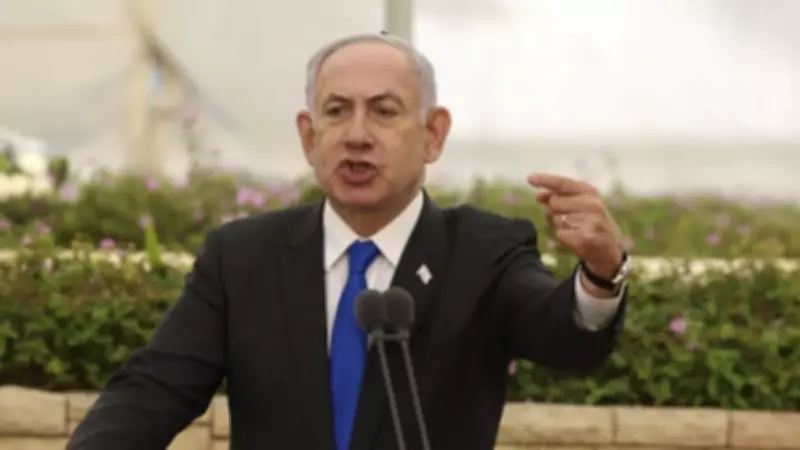
In a pivotal development for regional diplomacy, Israeli Prime Minister Benjamin Netanyahu has formally instructed his cabinet to initiate direct negotiations with Lebanon. This directive, issued on April 9, 2026, represents a strategic shift in Israel's approach to its northern neighbor, aiming to address longstanding bilateral issues through formal dialogue channels.
Background and Context of the Diplomatic Move
The decision to pursue direct talks comes amid a complex geopolitical landscape in the Middle East, where Israel and Lebanon have historically maintained tense relations, often marked by sporadic conflicts and territorial disputes. Netanyahu's order underscores a potential willingness to engage in constructive diplomacy, moving away from indirect or mediated discussions that have characterized past interactions between the two nations.
Key aspects of the negotiation directive include:

- Establishing a framework for direct cabinet-level engagement with Lebanese counterparts.
- Focusing on core issues such as border security, maritime boundaries, and regional stability.
- Aligning with broader international efforts to foster peace and cooperation in the region.
Implications for Regional Stability and International Relations
This move could have far-reaching implications for Middle Eastern politics. By opting for direct negotiations, Israel may seek to reduce tensions along its northern border and potentially pave the way for enhanced economic or security collaborations. Analysts suggest that successful talks might influence other regional dynamics, including Israel's relations with neighboring countries and its stance on broader peace initiatives.
However, challenges remain, as Lebanon's internal political fragmentation and external influences could complicate the negotiation process. Both sides will need to navigate sensitive topics, including historical grievances and current security concerns, to achieve meaningful progress.
Next Steps and Expected Developments
Following Netanyahu's instruction, the Israeli cabinet is expected to formulate a negotiation strategy and identify initial points of discussion with Lebanon. This process may involve consultations with international partners, such as the United Nations or key global powers, to ensure a supportive environment for the talks.
Potential outcomes of these negotiations could include:
- Formal agreements on border demarcation and resource sharing.
- Enhanced diplomatic ties and confidence-building measures.
- Reduced military posturing and increased regional cooperation.
As of the latest updates, no specific timeline has been announced for when the negotiations will commence, but the directive signals a proactive step by Israel's leadership. Observers will closely monitor developments, as this initiative could mark a turning point in Israel-Lebanon relations and contribute to broader stability in the Middle East.