Punjab and Haryana High Court Demands Response from Army, CBI, and Centre on Operation Blue Star Sikh Articles Plea
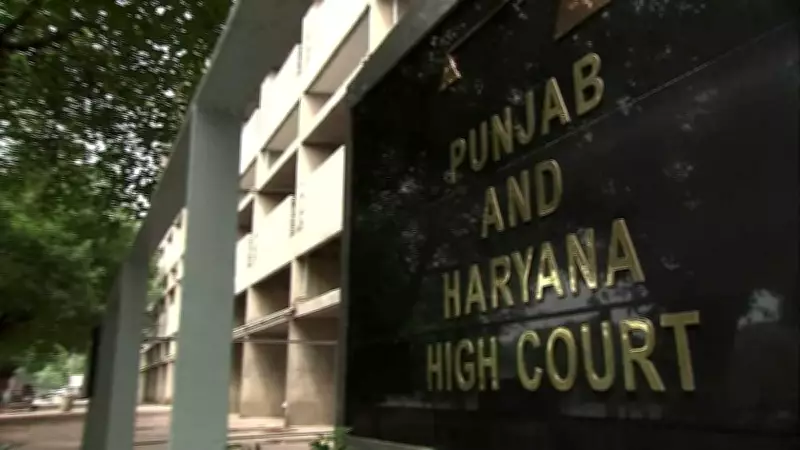
The Punjab and Haryana High Court has issued notices to the Indian Army, the Central Bureau of Investigation (CBI), and the Central government, seeking their responses to a significant petition concerning Sikh religious articles that were allegedly seized during the historic Operation Blue Star in 1984. This legal action underscores ongoing efforts to address historical grievances and ensure transparency regarding the handling of sacred items.
Petitioner Seeks Clarity on Whereabouts of Seized Religious Texts and Manuscripts
The petitioner, whose identity has not been disclosed in the court proceedings, has specifically requested the court to direct the Shiromani Gurdwara Parbandhak Committee (SGPC) to provide detailed information on the current location and status of the religious texts, manuscripts, and other articles that were purportedly taken during the military operation at the Golden Temple in Amritsar. According to the plea, these items were later handed over to the SGPC, but their exact whereabouts remain unclear, raising concerns about their preservation and potential return to the Sikh community.
Operation Blue Star, conducted in June 1984, was a controversial military action ordered by the Indian government to remove Sikh militants from the Golden Temple complex. The operation resulted in significant casualties and damage to the sacred site, and it has since been a point of contention in Indian history, with many Sikhs viewing it as a traumatic event that impacted their religious and cultural heritage.

Legal Proceedings and Broader Implications
The High Court's decision to seek responses from multiple authorities highlights the complexity and sensitivity of the issue. By involving the Army, CBI, and Centre, the court aims to gather comprehensive insights into the chain of custody of the seized articles and any subsequent actions taken. This move could pave the way for greater accountability and potentially lead to the recovery or proper documentation of the religious artifacts, which hold immense spiritual and historical value for Sikhs worldwide.
In recent years, there has been a growing demand from various Sikh organizations and activists for the return of items taken during Operation Blue Star, arguing that their retention by authorities or unclear handling violates religious rights and cultural preservation norms. The SGPC, as the apex body managing Sikh gurdwaras, plays a crucial role in this context, and the court's intervention may compel it to disclose records or take steps to address the community's concerns.
The case is scheduled for further hearings, and stakeholders are closely monitoring developments, as the outcome could set a precedent for how India handles similar historical and religious disputes. Legal experts suggest that this petition reflects a broader trend of using judicial avenues to seek redress for past injustices, particularly in matters involving minority communities and their heritage.
As the proceedings unfold, the Punjab and Haryana High Court's actions are expected to shed light on a decades-old issue, potentially fostering reconciliation and ensuring that religious artifacts are treated with the respect and care they deserve. The responses from the Army, CBI, and Centre will be critical in determining the next steps and whether the Sikh community's quest for clarity and justice will be fulfilled.