

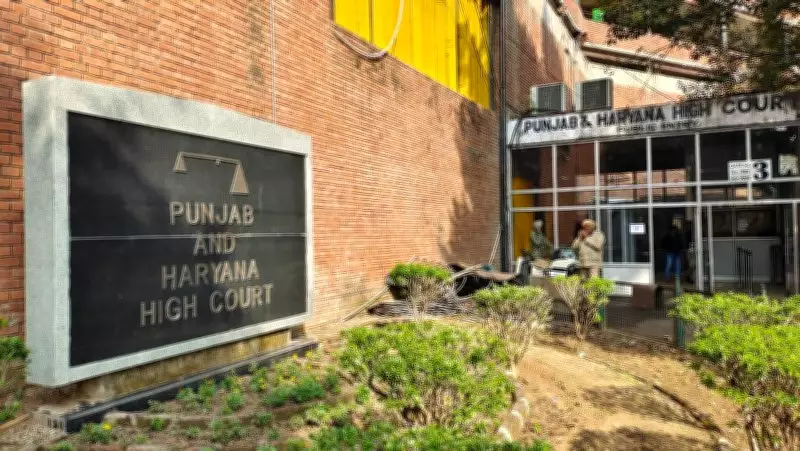
Haryana High Court Grants Stay on Human Rights Commission Orders Against Kaithal Rice Shellers
In a significant legal development, the Punjab and Haryana High Court has intervened to stay the orders previously issued by the Haryana Human Rights Commission against rice shellers operating in the Kaithal district. This decision provides immediate, albeit temporary, relief to the rice shelling industry, which has been embroiled in a contentious dispute over alleged human rights violations. The court's stay order effectively halts the enforcement of the commission's directives, allowing the shellers to continue their operations without immediate legal repercussions while the matter undergoes further judicial scrutiny.
Background of the Case and Commission's Directives
The controversy stems from complaints filed with the Haryana Human Rights Commission, which accused several rice shellers in Kaithal of violating labor rights and environmental norms. The commission, after conducting preliminary inquiries, had issued specific orders aimed at addressing these alleged infractions. These directives likely included measures related to worker safety, fair wages, and compliance with environmental regulations, though the exact details remain under wraps due to the ongoing legal proceedings. The rice shelling industry in Kaithal, a key agricultural hub in Haryana, has been under increased scrutiny as authorities seek to balance industrial growth with social and environmental responsibilities.
Legal Arguments and Court's Rationale for the Stay
During the court hearings, the rice shellers' legal representatives argued that the Human Rights Commission's orders were issued without proper due process and lacked sufficient evidence to warrant such stringent actions. They contended that the commission overstepped its jurisdictional boundaries, potentially causing undue harm to the local economy and livelihoods dependent on the rice shelling sector. In response, the Punjab and Haryana High Court found merit in these arguments, granting a stay to prevent any irreversible damage pending a full hearing. The court emphasized the importance of a fair trial and the need to consider all aspects of the case, including the economic impact on Kaithal and the broader implications for human rights enforcement in industrial settings.

Implications for Kaithal's Rice Shelling Industry and Future Proceedings
This stay order is expected to have far-reaching consequences for the rice shellers in Kaithal, as it allows them to maintain business continuity while the legal battle unfolds. Industry stakeholders have welcomed the decision, viewing it as a necessary step to protect their interests and ensure that any regulatory actions are based on solid evidence and legal principles. However, human rights advocates may express concern over the potential delay in addressing alleged violations, highlighting the ongoing tension between industrial operations and social justice. The case is now set for further hearings in the High Court, where both sides will present detailed arguments, and a final verdict will determine the long-term fate of the commission's orders and the regulatory landscape for rice shellers in Haryana.
As the proceedings continue, this case underscores the critical role of judicial oversight in balancing human rights concerns with economic realities, particularly in regions like Kaithal where agriculture and industry intersect closely.






