Kerala High Court Petition Challenges CMO's Alleged Bulk Messaging Campaign Using SPARK Data
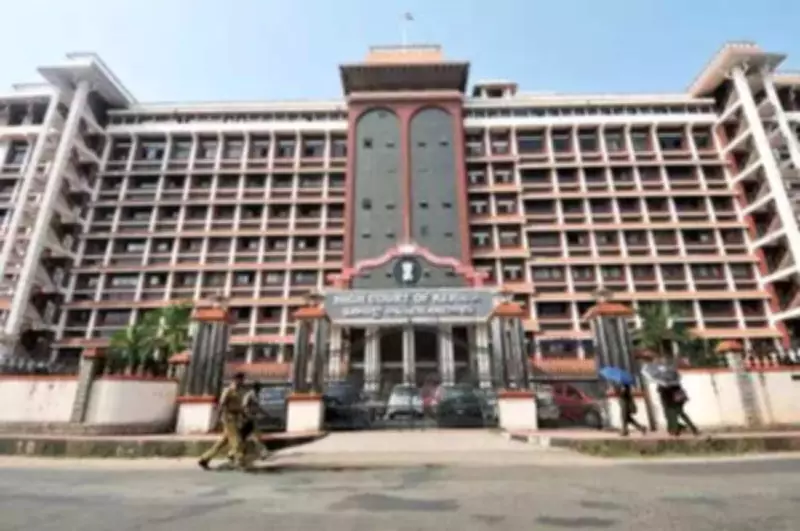
A significant legal challenge has emerged in Kerala as a petition has been filed in the High Court, contesting a bulk messaging campaign allegedly orchestrated by the Chief Minister's Office (CMO). The campaign is accused of primarily targeting state government employees in the lead-up to assembly elections by accessing private data originally provided for salary crediting purposes.
Petitioners and Court Proceedings
The High Court is scheduled to consider the petition on Tuesday, filed by P Rasheed Ahamed, an associate professor at KTM College in Malappuram, and K M Anil Kumar, an employee of the Department of General Administration in Thiruvananthapuram. The petitioners have raised serious objections to the bulk messaging initiative, asserting that the CMO illegally obtained mobile numbers of citizens, with a particular focus on government employees. These contact details were initially collected for various official functions and not for political communication.
Allegations of Privacy Intrusion and Election Campaigning
The core of the petition revolves around allegations that the messages constitute unauthorized election campaigning and represent a severe intrusion into citizens' privacy rights. According to the petitioners, the state government utilized private data, including mobile numbers, accessed from information submitted by government employees for the purpose of crediting their monthly salaries. This data is managed through the Service and Payroll Administrative Repository for Kerala (SPARK) software, and its use for mass messaging was done without obtaining consent from the individuals involved.
Evidence presented includes copies of WhatsApp messages received by the petitioners, which highlighted increases in dearness allowance and dearness relief. The messages also contained assurances that the LDF-led government would continue to protect the welfare and rights of citizens. The petitioners argue that such content clearly aligns with political messaging aimed at influencing voter sentiment ahead of elections.
Scale and Legal Implications of the Data Access
It is estimated that approximately five lakh employees are currently enrolled in the SPARK system, making the potential scope of the data access extensive. The petitioners contend that procuring personal contact details from SPARK for a mass campaign is both illegal and unauthorized, as it violates the intended use of the data for administrative payroll purposes only.
In their legal submissions, the petitioners have sought a formal declaration from the court that the procurement and utilization of their personal data by the CMO for disseminating such messages infringes upon their right to privacy, which is guaranteed under Article 21 of the Constitution of India. Additionally, they have requested a directive to restrain the state government from accessing mobile numbers, email IDs, or any other personal identifiers of citizens for the purpose of distributing messages that highlight the achievements of individuals holding public office.
Broader Concerns Over Data Misuse
This case raises broader concerns about the misuse of government databases for political gains and the protection of citizen privacy in the digital age. The petitioners emphasize that personal information provided for essential services like salary disbursement should not be repurposed for unsolicited political communication, as this sets a dangerous precedent for data governance and electoral integrity.
The outcome of this petition could have significant implications for how government agencies handle sensitive personal data and the boundaries between administrative functions and political activities, especially during election periods.