Iran's Defiant Stance Against U.S. Nuclear Demands
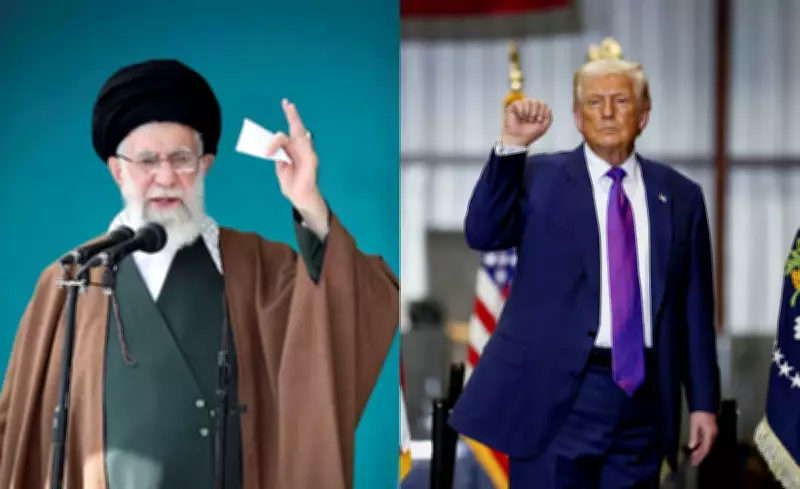
In a bold move that has captured global attention, Iran's leadership has firmly rejected the demands set forth by former U.S. President Donald Trump regarding its nuclear program and weapons capabilities. This unwavering position, reported by the International New York Times on February 23, 2026, has left U.S. officials bewildered, as it underscores a significant geopolitical rift between the two nations.
A Calculated Risk for National Sovereignty
For Iran's rulers, the decision to refuse Trump's ultimatums is viewed as a risk worth taking, driven by a deep-seated commitment to preserving national sovereignty and strategic autonomy. The demands, which likely included stringent restrictions on nuclear activities and weapons development, were perceived as overreaching and detrimental to Iran's interests. By standing firm, Iran aims to assert its independence on the world stage, even in the face of potential economic sanctions or diplomatic isolation.
This stance reflects a broader pattern in Iran's foreign policy, where defiance against Western pressures is often framed as a matter of pride and resistance. The refusal to concede highlights the complex dynamics of the Iran-U.S. relationship, which has been fraught with tension since the collapse of the 2015 nuclear deal. Trump's administration had previously adopted a hardline approach, imposing sanctions and pushing for a renegotiation of terms, but Iran's response suggests a willingness to endure hardships rather than capitulate.

U.S. Officials Puzzled by Iran's Resolve
The reaction from U.S. officials has been one of confusion and concern, as they grapple with Iran's steadfast refusal. This bewilderment stems from the perceived high stakes involved, including regional stability and non-proliferation efforts. Analysts speculate that Iran's confidence may be bolstered by support from other global powers or internal political calculations, making the risk more manageable from Tehran's perspective.
Moreover, this development raises questions about the future of nuclear diplomacy in the Middle East. With Iran holding its ground, there is a heightened risk of escalation, potentially leading to renewed conflicts or stalled negotiations. The international community is closely monitoring the situation, as any misstep could have far-reaching consequences for global security.
Implications for Global Geopolitics
Iran's refusal to bend to U.S. demands is not just a bilateral issue; it has ripple effects across the world. Countries in the region, such as Saudi Arabia and Israel, are likely watching with apprehension, given their own security concerns related to Iran's nuclear ambitions. Additionally, this stance may influence other nations' approaches to dealing with U.S. pressure, setting a precedent for resistance in international affairs.
In conclusion, Iran's leaders have made a clear statement by rejecting Trump's demands, viewing the associated risks as acceptable in pursuit of their national goals. This episode underscores the enduring tensions in U.S.-Iran relations and the challenges of nuclear diplomacy in a volatile global landscape. As events unfold, the world awaits to see how this defiance will shape future interactions and stability in the region.