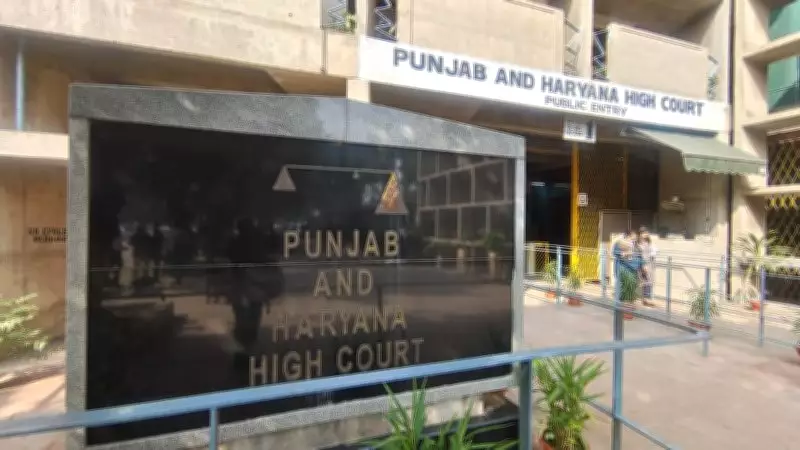
Punjab & Haryana High Court Orders IPS-Led Investigation into Forensic Failures
The Punjab & Haryana High Court has taken a stern stance on critical lapses in forensic evidence handling, directing a high-level probe led by an Indian Police Service (IPS) officer. The court expressed grave concerns over what it termed an "unholy collusion" that may have compromised the integrity of criminal investigations across the region.
Judicial Scrutiny Reveals Systemic Forensic Deficiencies
During recent hearings, the court uncovered alarming irregularities in forensic procedures, including improper collection, storage, and analysis of evidence in multiple criminal cases. These lapses have raised serious questions about the reliability of convictions and acquittals, potentially undermining public trust in the justice system.
The bench emphasized that such failures are not merely administrative oversights but indicate deeper, possibly deliberate, malfeasance. Judges highlighted instances where forensic reports were delayed, tampered with, or outright fabricated, leading to miscarriages of justice.

IPS Officer to Lead Comprehensive Probe
In response to these findings, the High Court has mandated an investigation headed by a senior IPS officer. This probe will scrutinize:
- The roles and responsibilities of forensic personnel involved in the tainted cases.
- Possible collusion between law enforcement agencies and forensic labs.
- Systemic weaknesses in evidence management protocols.
- Recommendations for overhauling forensic practices to prevent future lapses.
The court has set a strict timeline for the IPS-led team to submit its report, underscoring the urgency of addressing these issues to uphold the rule of law.
Court Demands Overhaul of Forensic Infrastructure
Beyond the immediate probe, the High Court has called for sweeping reforms in forensic science administration. Key directives include:
- Implementation of robust digital tracking systems for evidence chain-of-custody.
- Mandatory training and certification for forensic analysts to ensure competency.
- Regular audits of forensic laboratories by independent bodies.
- Establishment of grievance redressal mechanisms for stakeholders affected by forensic errors.
The court noted that without these systemic fixes, the credibility of the entire criminal justice apparatus remains at risk. It urged state governments to allocate adequate resources and political will to enact these changes promptly.
Implications for Pending and Past Criminal Cases
The revelations have sparked concerns about the validity of numerous criminal proceedings. Legal experts anticipate that:
- Defense attorneys may file appeals based on compromised forensic evidence.
- Prosecutors will need to reassess cases reliant on questionable forensic reports.
- Higher courts might order retrials or overturn verdicts in affected matters.
This judicial intervention aims to restore faith in forensic sciences as a pillar of justice, ensuring that evidence serves truth rather than obscuring it.