Delhi High Court Grants Time to Arvind Kejriwal and Manish Sisodia in Excise Case
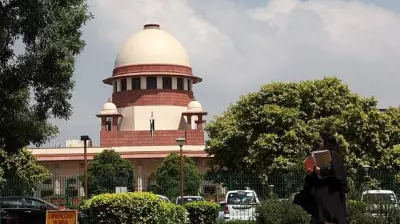
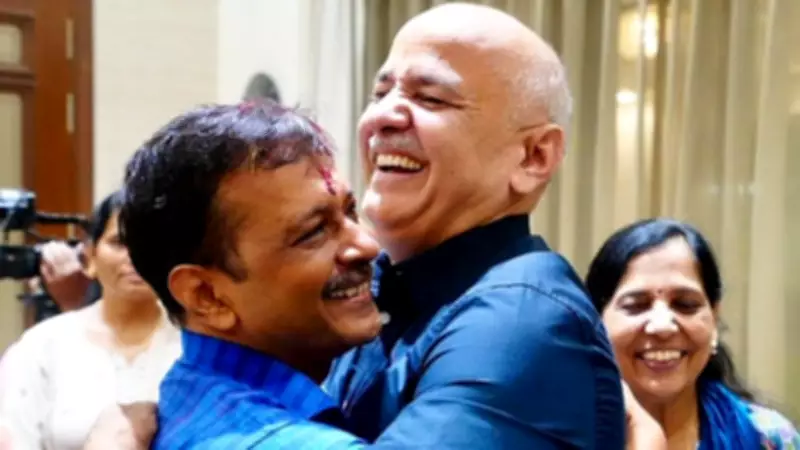
The Delhi High Court has granted additional time to Aam Aadmi Party (AAP) leaders Arvind Kejriwal and Manish Sisodia to file their responses to the Central Bureau of Investigation's (CBI) plea challenging their discharge in the high-profile excise policy case. The court has scheduled the next hearing for April 6, 2026, marking a significant development in this ongoing legal battle.
Legal Proceedings and Supreme Court Challenge
During the hearing, senior counsel representing the AAP leaders informed the Delhi High Court that they have already approached the Supreme Court to challenge the matter. This move indicates a strategic escalation in the defense, as the leaders seek higher judicial intervention. The excise case, which involves allegations of irregularities in Delhi's liquor policy, has been a focal point of political and legal scrutiny, with Kejriwal and Sisodia maintaining their innocence.
The CBI's plea aims to overturn the lower court's decision that had granted discharge to the leaders, arguing that there is sufficient evidence to proceed with the trial. The Delhi High Court's decision to allow more time for responses underscores the complexity of the case and the need for thorough legal preparation by both sides.
Background and Implications
The excise policy case has drawn widespread attention due to its political ramifications, involving key figures from the AAP, which governs Delhi. Arvind Kejriwal, the Chief Minister of Delhi, and Manish Sisodia, a former deputy chief minister, have been at the center of this controversy, with the CBI alleging corruption and procedural violations.
Key points in the case include:
- Allegations: The CBI claims that the excise policy was manipulated to benefit certain entities, leading to financial losses for the state.
- Defense: Kejriwal and Sisodia have denied all charges, labeling them as politically motivated attacks.
- Legal Strategy: By approaching the Supreme Court, the AAP leaders are seeking to challenge the very basis of the CBI's investigation and plea.
The next hearing on April 6 is expected to be crucial, as it will determine whether the Delhi High Court will entertain the CBI's plea or await the outcome of the Supreme Court proceedings. This case highlights the ongoing tensions between investigative agencies and political leaders in India, with potential implications for governance and legal accountability.
As the legal process unfolds, stakeholders are closely monitoring developments, which could influence public perception and political dynamics in Delhi and beyond. The excise case remains a testament to the intricate interplay between law and politics in contemporary India.