Gauhati High Court Issues Formal Notice to Assam Chief Minister in Hate Speech Case
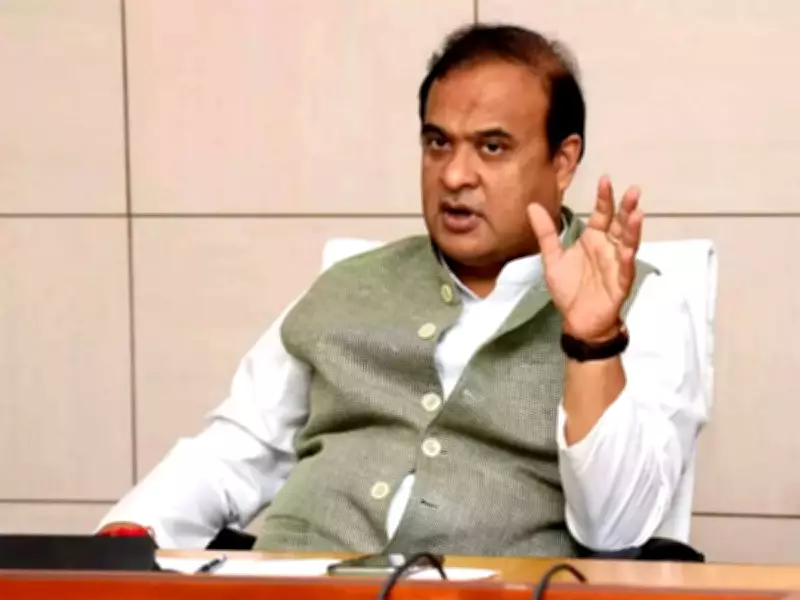
The Gauhati High Court has taken significant legal action by issuing formal notices to Assam Chief Minister Himanta Biswa Sarma regarding multiple Public Interest Litigations (PILs) that accuse him of delivering inflammatory hate speech. This development marks a crucial step in the judicial examination of allegations that have sparked widespread concern about communal harmony in the northeastern state.
Judicial Bench and Proceedings
A division bench comprising Chief Justice Ashutosh Kumar and Justice Arun Dev Choudhury presided over the hearing of three separate petitions filed against the chief minister. The court has not only directed notices to Chief Minister Sarma but has also formally served notices to the Assam state government and the Director General of Police, indicating the broad scope of the judicial inquiry.
The court has scheduled the next hearing for April 21, 2024, providing the respondents with time to prepare their formal replies. "The respondents have to reply to the notices before the next date. The court has not issued any other order at this stage," clarified advocate Santanu Borthakur, who assisted the counsels representing one of the petitioners in the case.
Petitioners and Their Allegations
The petitioners in this significant legal challenge include prominent political parties and respected public figures. The Communist Party of India (CPI) and Communist Party of India (Marxist) [CPI(M)] have each filed separate petitions, while a joint petition has been submitted by Sahitya Akademi awardee Hiren Gohain, former Director General of Police Harekrishna Deka, and senior journalist Paresh Malakar.
These petitioners have made serious allegations against Chief Minister Sarma, claiming his public remarks could "divide society" and constitute "blatant hate speech" specifically targeting minority communities in Assam. The PILs detail accusations that Sarma has directed party members to file complaints against Bengali-origin Muslims, who are sometimes derogatorily referred to as "Miyas," with the alleged intention of causing them systematic harassment.
Specific Allegations and Demands
The petitions present a comprehensive list of allegations against the chief minister, including:
- Instigating social and economic boycotts against minority communities
- Propagating harmful stereotypes that could fuel discrimination
- Encouraging civilians to take law and order matters into their own hands
- Using his official position to harass minority community members
- Deliberately inciting communal disharmony through public statements
The petitioners have expressed particular concern that despite what they describe as publicly recorded speeches containing clear incitement, no First Information Report (FIR) has been registered against the chief minister, creating what they characterize as a climate of impunity that allows such behavior to continue unchecked.
Legal Timeline and Previous Supreme Court Action
The legal proceedings follow a specific timeline that reveals the persistence of the petitioners in seeking judicial remedy. The joint petition by Gohain, Deka, and Malakar was formally submitted on February 24, while the separate petitions by CPI and CPI(M) were filed earlier, on February 21, 2024.
This high court action comes after the Supreme Court of India declined, on February 16, to entertain similar petitions seeking legal action against Chief Minister Sarma. The Supreme Court's refusal to intervene at that time has now been followed by this significant development at the Gauhati High Court level.
Petitioners' Demands for Judicial Intervention
The petitioners have presented specific demands to the court, seeking:
- A complete cessation of what they term hate speech by the chief minister
- Establishment of a Special Investigation Team (SIT) chaired by a retired high court judge to conduct a thorough inquiry
- Appropriate legal action against Chief Minister Sarma based on the findings of such an investigation
This case represents a significant legal challenge to a sitting chief minister's public statements and their potential impact on social harmony. The judicial process now moves forward with all parties required to present their positions formally before the next scheduled hearing in April, setting the stage for what could be a landmark decision regarding political speech and communal relations in India.