Family's Emotional Farewell to Harish Rana After Supreme Court's Euthanasia Ruling
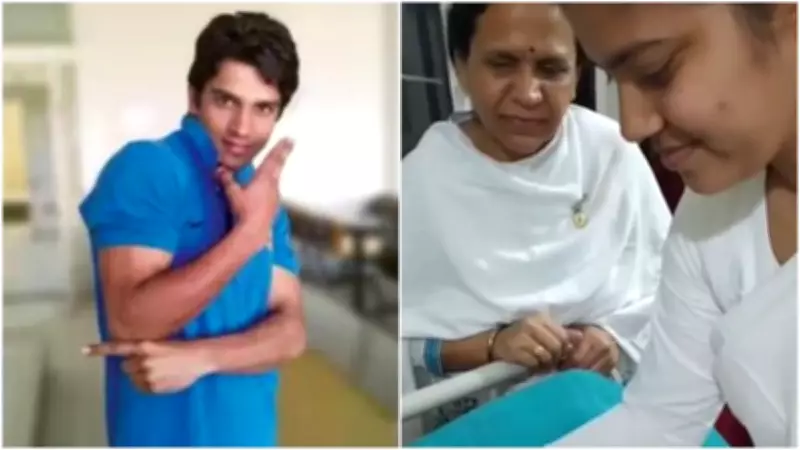
In a deeply moving and poignant moment, the family of Harish Rana bid him an emotional farewell, guided by the recent Supreme Court order on passive euthanasia. The scene was filled with heartfelt goodbyes as loved ones gathered to honor his final wishes, with one family member poignantly stating, 'Forgive everyone... It's time to go.' This farewell underscores the profound personal impact of the court's landmark decision, which has sparked nationwide discussions on end-of-life care and individual autonomy.
Supreme Court's Landmark Decision on Passive Euthanasia
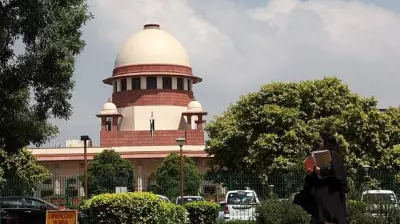
The Supreme Court of India, in a historic ruling, has emphasized that the right to die with dignity is an inseparable component of fundamental rights, closely linked to the right to receive quality palliative and end-of-life care. This judgment, delivered on March 16, 2026, marks a significant shift in India's legal and medical landscape, providing a framework for families and healthcare providers to navigate complex end-of-life decisions. The court's order aims to balance ethical considerations with compassionate care, ensuring that individuals like Harish Rana can have their final moments respected according to their wishes.
Implications for Palliative Care and End-of-Life Rights
The ruling highlights several critical aspects of end-of-life care in India:
- Right to Dignity: The court affirmed that every individual has the inherent right to die with dignity, free from unnecessary suffering and with access to proper medical support.
- Quality Palliative Care: It stressed the importance of integrating high-quality palliative care into the healthcare system, ensuring that patients receive comprehensive support during their final stages.
- Legal Framework: The decision provides a clearer legal pathway for passive euthanasia, where life-sustaining treatment can be withdrawn under specific conditions, subject to strict safeguards and medical oversight.
- Family Involvement: Families are recognized as crucial stakeholders in end-of-life decisions, as seen in Harish Rana's case, where his loved ones played a central role in the farewell process.
This development is expected to influence healthcare policies and public awareness, encouraging more open conversations about death and dying in Indian society.
Harish Rana's Case: A Personal Story Amid Legal Change
Harish Rana's situation serves as a real-life example of the Supreme Court's ruling in action. His family's emotional farewell not only reflects personal grief but also symbolizes the broader societal acceptance of passive euthanasia as a means to honor individual autonomy. The case has drawn attention from medical professionals, legal experts, and the general public, highlighting the need for sensitive implementation of such laws. As India grapples with evolving norms around end-of-life care, stories like Rana's remind us of the human element behind legal judgments, urging compassion and respect in all healthcare decisions.
In conclusion, the Supreme Court's order on passive euthanasia has set a precedent for dignified end-of-life care in India, with Harish Rana's farewell serving as a touching testament to its real-world impact. As the nation moves forward, this ruling is likely to shape future discussions on medical ethics, patient rights, and the role of families in ensuring a peaceful departure for their loved ones.