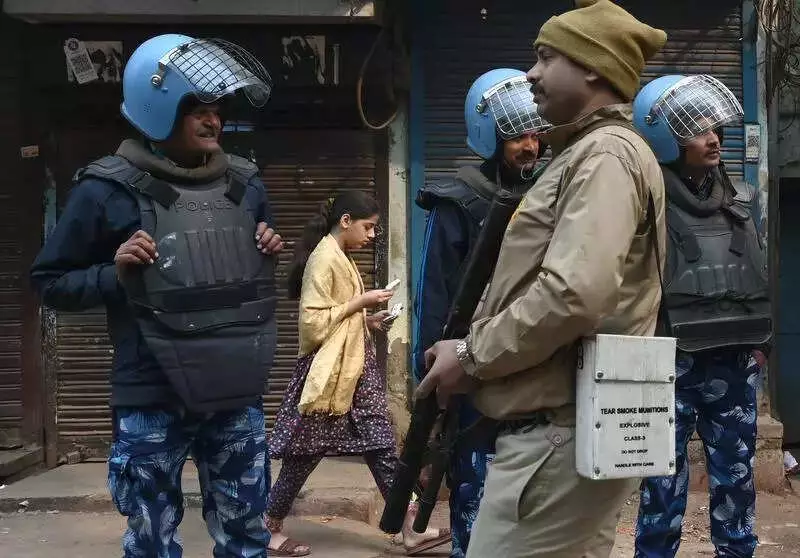
The investigation into the violent clashes that broke out during a demolition drive near the Faiz-e-Ilahi Mosque at Turkman Gate in Delhi has intensified significantly. Police are now deploying advanced technological tools, including facial-recognition software and footage from officers' body-worn cameras, to identify and apprehend more suspects involved in the incident.
Expanded Charges and Mounting Arrests
Authorities have added serious charges, including abetment and attempt to murder, to the existing First Information Report (FIR). The scope of the violence became clearer as police confirmed that an additional Deputy Commissioner of Police (DCP) sustained a leg injury during the stone-pelting that occurred early on Wednesday. His medico-legal case report has been formally included in the ongoing probe.
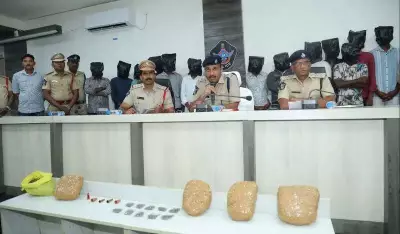
In a recent development on Friday, two more individuals were taken into custody. Interestingly, both arrested men share the name Mohammad Imran, are aged 28 and 36, and are residents of the local area. With these detentions, the total number of arrests in the case has risen to 13 people.
Technology at the Forefront of the Investigation
The investigative team is heavily relying on digital evidence to piece together the events. Footage from the bodycams of police personnel deployed at the site has been a crucial resource. Investigators have run these images through their facial recognition system, leading to several successful matches. Those identified through this process have been summoned for questioning, and police indicate that more arrests are likely.
This tech-driven approach follows earlier actions where, on Thursday, police arrested six local residents after identifying them through CCTV footage and mobile videos recorded during the stone-pelting. A day before that, five other accused were arrested and subsequently remanded to 13 days of judicial custody.
Probing for Premeditation and Rumour-Mongering
The violence erupted after rumours spread on social media falsely claiming that a mosque and a dargah (shrine) were being demolished. This misinformation led to a large crowd assembling, and the situation rapidly escalated into clashes.
To determine if the violence was planned, investigators have sent mobile phones seized from the accused for forensic examination. The goal is to analyse chats, social media activities, and even recover deleted data. Police claim that some of the accused created WhatsApp groups to spread rumours and mobilise people, while videos of the violence were circulated online to amplify the unrest.
The combined use of eyewitness accounts, digital footage, and forensic cyber analysis marks a comprehensive effort by Delhi Police to address the incident and hold the perpetrators accountable.