Former Teacher and BJP Worker Granted Extended Parole After POCSO Conviction
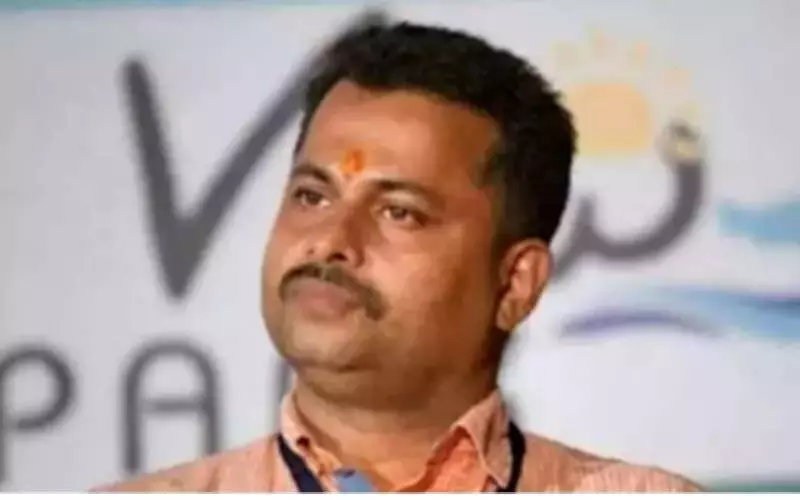
K Padmarajan, a former teacher and BJP functionary who was convicted in a Protection of Children from Sexual Offences (POCSO) case, has been reportedly granted an extended parole. The parole was initially approved following the death of his sister, with the jail superintendent granting a three-day period. However, sources indicate that this parole was later extended, allowing Padmarajan additional time outside of prison.
Details of the Parole Release
Padmarajan was released on parole on February 3, after authorities considered the circumstances surrounding his sister's passing. The decision to grant parole, and its subsequent extension, has drawn attention due to the severity of his conviction. Initially, the jail superintendent authorized a three-day parole, but it is reported that this period was extended, though specific details on the duration of the extension remain unclear.
Background of the POCSO Case
The case dates back to January and February 2020, when Padmarajan was accused of sexually assaulting a 10-year-old girl in Palathayi, Kannur. The Thalassery fast track special court conducted a thorough trial and found him guilty of the charges. As a result, he was sentenced for the sexual assault of the student, a crime that carries significant legal penalties under the POCSO Act.
Following the verdict, Padmarajan faced immediate consequences beyond his imprisonment. He was dismissed from his teaching service, highlighting the professional repercussions of his actions. The case has been a focal point in discussions about child safety and legal accountability, especially given his previous roles as an educator and political functionary.
Implications and Public Reaction
The granting of parole in such a high-profile POCSO case has sparked debate among legal experts and the public. While parole is often considered for humanitarian reasons, such as family bereavement, it raises questions about the balance between compassion and justice in cases involving severe crimes against children. Authorities have not provided extensive comments on the extension, leaving room for speculation and concern.
This development underscores the ongoing challenges in the judicial system regarding the handling of sensitive cases. It also brings to light the personal and professional fallout for individuals convicted under the POCSO Act, as seen in Padmarajan's dismissal and the public scrutiny surrounding his parole.