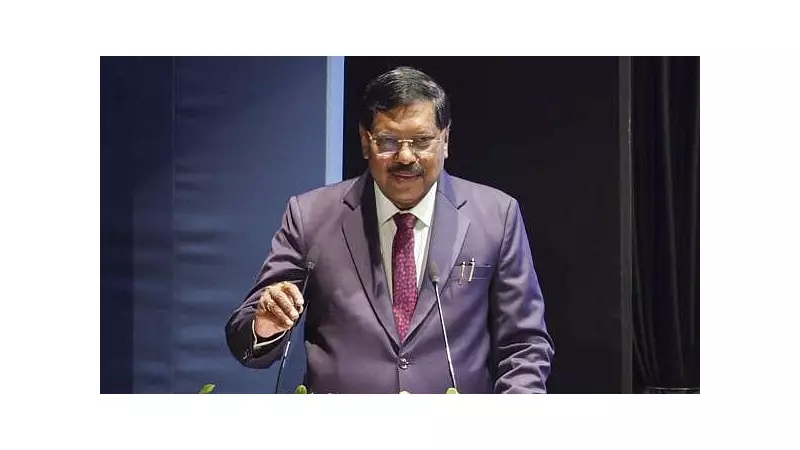
Former Chief Justice of India, B R Gavai, has publicly revealed that he faced significant criticism from within his own community for his steadfast advocacy of the 'creamy layer' principle within India's reservation framework. The revelation came during a thought-provoking lecture he delivered at Mumbai University.
Lecture on Equal Opportunity and Affirmative Action
Justice Gavai, who recently retired from the apex judicial position, was addressing an audience on the topic "Role of Affirmative Action in Promoting Equal Opportunity." The event, held on 06 December 2025, provided a platform for the former judge to reflect on the complexities and challenges of implementing social justice policies in India.
In his address, Gavai underscored the critical importance of affirmative action in levelling the historical playing field for marginalised sections of society. However, he did not shy away from discussing the contentious debates that often surround these policies, particularly the mechanism designed to exclude the economically advanced members from reservation benefits.
The Creamy Layer Controversy and Personal Backlash
The most striking part of his lecture was the personal anecdote he shared. Justice Gavai openly stated that his public support for the creamy layer principle led to direct criticism and disapproval from members of his own community. This principle, which aims to ensure that the benefits of reservations reach the most disadvantaged within a reserved category by excluding its wealthier and more privileged segments, remains a polarising issue.
His admission highlights a rarely discussed personal cost for public figures who take principled stands on sensitive socio-political matters. It points to the intense internal debates and pressures that exist within communities regarding the distribution and targeting of reservation benefits.
Broader Implications for Reservation Policy
This revelation from a former head of the Indian judiciary adds a significant dimension to the ongoing national conversation on social justice. It brings to the fore the tension between community solidarity and the need for equitable sub-categorisation within reservation policies. Gavai's experience suggests that advocating for nuanced, targeted affirmative action can sometimes be met with resistance from the very groups the policies are designed to assist.
The lecture ultimately reinforced the idea that affirmative action must be dynamic and reflective of contemporary socio-economic realities to truly promote equal opportunity. By sharing his personal experience, Justice Gavai contributed a unique perspective on the challenges of balancing legal principles, social equity, and community expectations in a diverse democracy like India.