

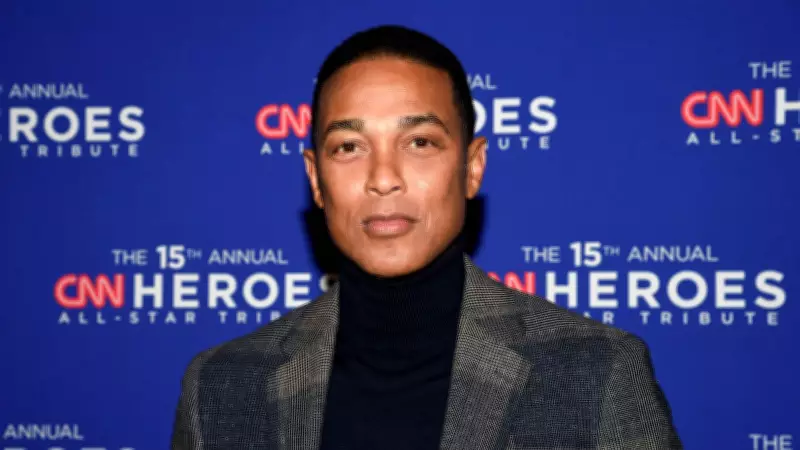
Don Lemon Faces Civil Rights Charges Over Minnesota Church Protest
Former CNN anchor Don Lemon has been formally charged with civil rights violations following a protest at a church in Minnesota. This legal development marks a significant turn in the ongoing debate surrounding free speech and the boundaries of protest in religious settings.
Details of the Incident and Charges
The charges stem from an incident where Lemon participated in a demonstration at a church in Minnesota. Authorities allege that his actions during the protest violated civil rights laws, potentially infringing on the rights of others to worship freely. The specific nature of the protest has not been fully disclosed, but it is reported to have involved disruptions that led to the filing of these serious charges.
Legal experts note that civil rights charges in such contexts are relatively rare and often involve complex interpretations of both state and federal laws. The case against Lemon could set a precedent for how similar protests are handled in the future, balancing the right to protest with protections for religious institutions.

Background and Implications
Don Lemon, a well-known media personality, has been a vocal advocate on various social issues throughout his career. His involvement in this protest aligns with his public stance on civil rights, but the charges highlight the legal risks associated with such activism. The incident has sparked discussions about the limits of protest, especially in places of worship, where tensions between free expression and religious freedom can be particularly acute.
In Minnesota, state laws protect civil rights and prohibit discrimination, but they also safeguard religious practices. The charges against Lemon suggest that authorities believe his actions crossed a line, potentially causing harm or disruption that warrants legal action. This case is being closely watched by civil liberties groups and legal scholars, as it may influence future protests and the enforcement of civil rights statutes.
Reactions and Next Steps
Reactions to the charges have been mixed, with some supporters of Lemon arguing that his protest was a legitimate exercise of free speech, while others emphasize the need to respect religious spaces. The church involved has not issued a detailed statement, but local community members have expressed concerns about maintaining a peaceful environment for worship.
As the legal process unfolds, Lemon is expected to face court proceedings where the specifics of the charges will be examined. The outcome could have broader implications for activists and protesters across the United States, particularly in how civil rights laws are applied to demonstrations in sensitive locations like churches.
This case underscores the ongoing challenges in navigating the intersection of civil rights, free speech, and religious freedom in modern society. It serves as a reminder of the legal complexities that can arise when personal activism collides with established laws and community norms.






