Delhi Police's Republic Day Terror Scare Unravels as Costume Party Confusion
New Delhi: The atmosphere at the Delhi Police Special Cell headquarters turned tense and frigid on the afternoon of January 25th when an urgent alert arrived from Uttar Pradesh Police. A young woman in Bareilly had reported concerning activity on her friend's WhatsApp account, triggering immediate security concerns during heightened Republic Day vigilance.
The Chilling Digital Discovery
The alert centered around a seemingly ominous message that read, "We have taken our positions, come," accompanied by a photograph that immediately raised red flags across intelligence networks. The woman, who had been reading about security mobilizations across Delhi in response to cryptic online chatter referencing '26-26' and recent activities of suspected terror modules, grew suspicious of her friend's digital communications.
Her concern stemmed from a brief moment two days earlier when the friend from Jamia Nagar in Delhi had handed her a phone while they were together at their college in Noida. During that interaction, a notification flashed on the screen displaying the troubling message alongside a photograph showing a group of young men with obscured faces, dressed in tactical gear and turbans reminiscent of jihadi fighters, interspersed with other shadowy masked figures.
Heightened Security Response
With Republic Day celebrations less than twenty-four hours away, the national capital had already transformed into a fortified zone protected by heightened security measures and steel barricades. For analysts at the Special Cell, this wasn't merely a photograph—it represented a potential blueprint for a coordinated attack that demanded immediate intervention.
The specific mention of "positions" suggested preparations for a synchronized strike, leading intelligence officers to draw parallels with the notorious 'doctor terror' module from Faridabad, known for its efficient sleeper cells and professional concealment of terrorist activities. The command from Special Cell headquarters was immediate and decisive: launch comprehensive, full-spectrum surveillance operations.
The Intensive Manhunt Operation
Elite tactical teams were pulled from standby status while technical surveillance units began tracking every available digital footprint. By sunset, operational tension had reached peak levels as GPS coordinates finally pinpointed targets within the labyrinthine alleys of southeast Delhi's Jamia Nagar neighborhood.
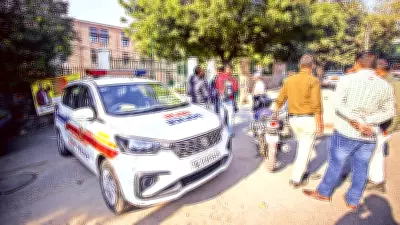
Within minutes, dozens of armed plainclothes officers flooded the area, weaving through evening crowds with surgical precision and heightened caution. Every parked vehicle and shadowed doorway appeared as a potential ambush location as the hunt for invisible targets unfolded through a silent, high-stakes game of shadows.
As midnight approached, officers narrowed their search radius to a specific residential block. Adrenaline surged through the team as they advanced with measured steps, fully prepared for potential armed confrontation at any moment.
The Unexpected Revelation
Instead of encountering suspected terrorists, the officers intercepted a young woman—the same friend mentioned in the original chatter. When investigators placed the concerning photograph on a table before her, her facial expression transitioned from initial fright to utter confusion and bewilderment.
The truth emerged gradually: the "positions" the group of young men had referenced were actually preparations for a private fancy dress party rehearsal, while their 'battle dress' attire formed part of the event's theatrical theme. The turbans and tactical gear that had triggered nationwide security alerts were merely costume elements for a college drama skit.
Comedy of Security Errors
It became apparent that the woman from Bareilly, influenced by heightened paranoia surrounding potential Republic Day terror attacks, had completely misinterpreted the group chat about drama preparations as a call to jihadist action. The elite police strike team finally breathed a collective sigh of relief after twelve nerve-racking hours spent unraveling what amounted to a dark comedy of security errors and misunderstandings.
This incident highlights both the extraordinary vigilance maintained by security forces during national events and the potential for misinterpretation in an era of digital communication and heightened security consciousness.