Delhi High Court Upholds Student Free Speech Rights in Landmark Ruling
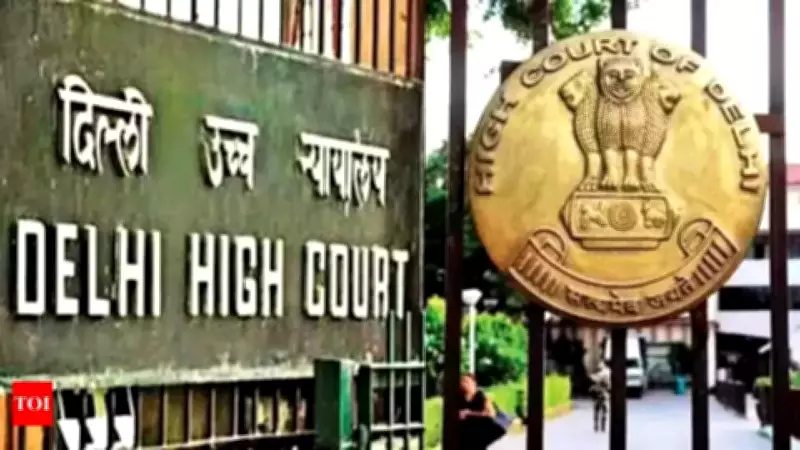
In a significant judgment, the Delhi High Court has declared that a university cannot restrict freedom of speech and expression simply because students' views conflict with its ideology. The court set aside the suspension of a student from Dr BR Ambedkar University, who was penalized for taking part in a sit-in protest.
Court Emphasizes University's Public Function and Role in Shaping Citizens
Justice Jasmeet Singh observed that educational institutions are instrumentalities of the state, performing an indispensable public function by molding future citizens. The judge stated, "The university cannot restrict speech and peaceful expression of ideas merely because the views expressed by a group of students do not align with the ideology of the management."
The court further noted that when students express disagreement peacefully and orderly, without violence or serious disruption, such conduct falls within the scope of holistic development. It underlined that a university's role is not to suppress dissent but to ensure such expression is addressed and accommodated.

Protest Participation Deemed Peaceful, Expulsion Called Disproportionate
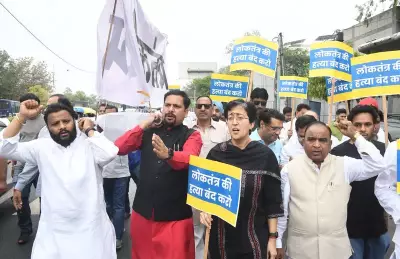
The university had alleged that the petitioner violated a court order by participating in the sit-down protest. However, the high court found that even if the student joined a peaceful protest against issues like withdrawal of show-cause notices, revocation of suspensions, and restoration of timings, expulsion was a grossly disproportionate response.
"In the present case, there are no allegations that the so-called peaceful protest by the petitioner resulted in interfering with the functioning of the respondent university or academic pursuits of other students," the court emphasized.
Student Allowed to Resume Studies After Missing Academic Year
Acknowledging that the student had already missed one year of her academic career and that time cannot be reversed, the court permitted her to resume her studies starting in July. This decision highlights the court's commitment to protecting student rights and ensuring educational opportunities are not unjustly hindered.
The ruling serves as a reminder of the critical balance between institutional authority and individual freedoms in educational settings, reinforcing the importance of free speech as a cornerstone of democratic values.