Delhi High Court Grants Partial Relief in X Account Blocking Case
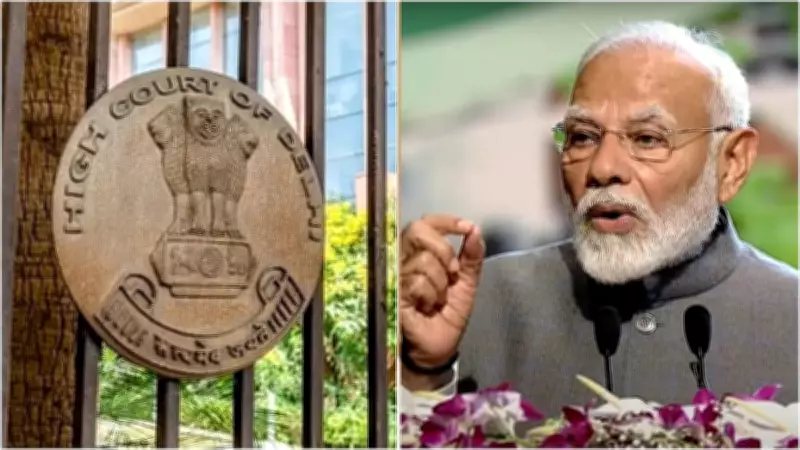
In a significant ruling that balances user rights with content regulation, the Delhi High Court has permitted the restoration of an X account that was previously blocked over posts allegedly defaming Prime Minister Narendra Modi. The decision, delivered by Justice Purushaindra Kumar Kaurav, marks a nuanced approach to handling contentious social media content in the digital age.
Court's Conditional Order on Content Moderation
While allowing the account to be restored, Justice Kaurav issued a crucial directive to X, the platform formerly known as Twitter. The court ordered the social media giant to temporarily block the specific objectionable posts that formed the basis of the original complaint. This temporary blocking is subject to further adjudication by the Centre's Inter-Ministerial Committee, which will examine the content's compliance with Indian laws and regulations.
The ruling effectively creates a two-part solution: restoring user access to the platform while isolating the disputed content for official review. This approach acknowledges both the importance of digital expression and the government's legitimate interest in preventing potentially harmful or defamatory material from circulating unchecked.

Legal Framework and Government Oversight
The case highlights the ongoing tension between social media platforms, user rights, and government oversight in India's digital ecosystem. The Inter-Ministerial Committee, referenced in the court's order, represents the government's mechanism for reviewing contentious online content under existing information technology regulations.
Legal experts note that the court's decision reflects a growing judicial trend toward proportional responses in content moderation cases. Rather than maintaining a complete account blockade, the court has opted for a more targeted approach that addresses the specific problematic content while minimizing disruption to legitimate user activity.
Broader Implications for Social Media Governance
This ruling comes amid ongoing debates about:
- The appropriate balance between free expression and content regulation
- The responsibilities of social media platforms in moderating user-generated content
- The role of judicial oversight in government-platform-user interactions
- The effectiveness of India's current framework for handling online content disputes
The temporary nature of the post blocking indicates the court's recognition that final determinations about content legality should come through established governmental review processes rather than indefinite platform-level restrictions imposed without due process.
As digital platforms continue to play an increasingly central role in public discourse, this Delhi High Court decision establishes an important precedent for handling similar cases in the future, potentially influencing how courts across India approach conflicts between user rights, platform responsibilities, and government oversight in the social media sphere.