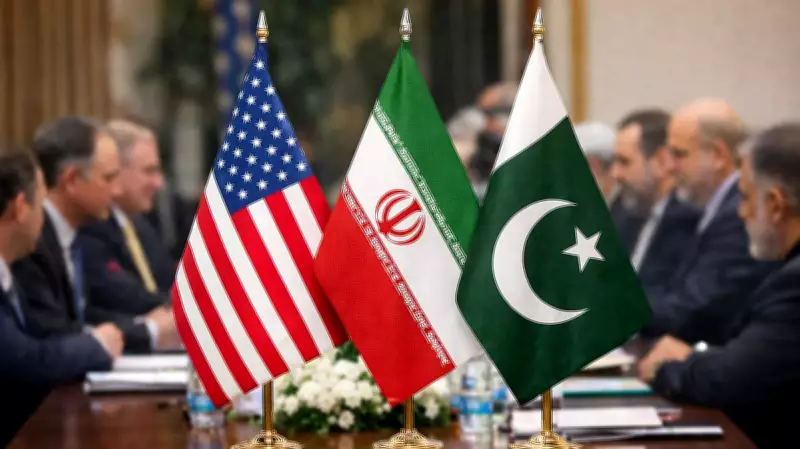
Pakistan's Emergence as a Pivotal Diplomatic Mediator
In the intricate landscape of international relations, Pakistan has recently stepped into a critical role as a mediator between the United States and Iran. This development highlights Pakistan's strategic importance and its ability to navigate complex geopolitical dynamics. The country's unique position, with historical ties to both nations, has enabled it to act as a bridge in fostering dialogue and reducing tensions in a volatile region.
Historical Context and Strategic Importance
Pakistan's relationship with the United States dates back decades, characterized by military cooperation and economic partnerships. Simultaneously, its proximity and cultural connections with Iran have fostered a nuanced diplomatic rapport. This dual alignment places Pakistan in a distinctive position to facilitate communication between two nations often at odds over issues such as nuclear proliferation, regional influence, and economic sanctions.
The mediation efforts come at a time when global powers are seeking stability in the Middle East and South Asia. Pakistan's involvement underscores its commitment to regional peace and its growing diplomatic clout on the world stage.

Key Factors Enabling Pakistan's Mediation Role
Several factors contribute to Pakistan's effectiveness as a mediator:
- Geopolitical Location: Situated at the crossroads of South Asia and the Middle East, Pakistan serves as a natural conduit for diplomatic engagements.
- Historical Ties: Long-standing relationships with both the US and Iran provide a foundation of trust and understanding.
- Economic Interests: Pakistan's trade and energy needs with Iran, coupled with its reliance on US aid and investment, create incentives for balanced diplomacy.
- Regional Stability Goals: As a nation affected by regional conflicts, Pakistan has a vested interest in promoting peace to ensure its own security and economic growth.
Challenges and Opportunities in Mediation
While Pakistan's role offers opportunities for conflict resolution, it also presents significant challenges. The US and Iran have deep-seated disagreements, particularly regarding Iran's nuclear program and its regional activities. Pakistan must navigate these sensitive issues carefully to avoid alienating either party.
Moreover, Pakistan's internal political and economic challenges could impact its mediation capacity. However, by leveraging its diplomatic channels and emphasizing shared interests, Pakistan aims to build consensus and encourage constructive dialogue.
Implications for Global Diplomacy
Pakistan's mediation efforts have broader implications for international relations. They demonstrate how middle powers can play crucial roles in bridging divides between major global actors. This could inspire other nations to adopt similar diplomatic approaches in resolving conflicts.
Additionally, successful mediation could enhance Pakistan's international reputation, potentially leading to increased foreign investment and stronger alliances. It also highlights the importance of multilateral diplomacy in addressing complex global issues.
In conclusion, Pakistan's emergence as a key mediator between the US and Iran reflects its strategic diplomacy and commitment to regional stability. As tensions persist, Pakistan's role will be closely watched by the international community, with potential outcomes shaping the future of Middle Eastern and global politics.