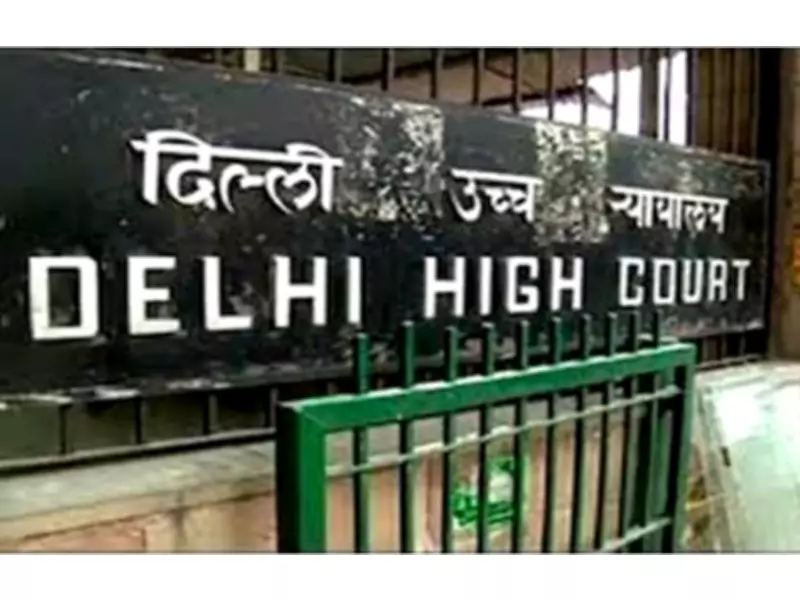
Delhi High Court Announces Week-Long Judicial Break for Holi Celebrations
The Delhi High Court has made a significant announcement regarding the upcoming Holi festival, declaring a week-long break for all judicial work. This decision will temporarily suspend court operations and affect legal proceedings across the capital, aligning with the festive spirit and cultural traditions of India.
Details of the Holi Break Schedule
The break is set to commence on March 24, 2025, and will extend through March 30, 2025, covering a full seven-day period. During this time, all courts under the jurisdiction of the Delhi High Court will remain closed for judicial functions, including hearings, trials, and other legal matters. This move is part of the court's annual holiday calendar, which incorporates major national and religious festivals to accommodate the needs of the judiciary and litigants.
Impact on Court Operations and Legal Proceedings
The week-long Holi break will have a notable impact on the judicial system in Delhi. Court schedules will be adjusted accordingly, with pending cases likely to be rescheduled for dates after the break. Lawyers, litigants, and court staff are advised to plan their activities around this closure to avoid any disruptions. The High Court has emphasized that essential services and emergency matters may still be addressed through designated mechanisms, but routine work will be on hold.
This break is not only a reflection of the court's respect for cultural festivities but also a practical measure to ensure the well-being of all involved in the legal process. By providing this respite, the Delhi High Court aims to promote work-life balance and allow individuals to participate fully in Holi celebrations with their families and communities.
Broader Context and Similar Practices
Such judicial breaks during major festivals are common in India, as courts often align their holidays with cultural and religious events. The Delhi High Court's announcement follows similar patterns observed in other high courts across the country, where breaks are declared for festivals like Diwali, Eid, and Christmas. This practice helps in maintaining harmony and inclusivity within the diverse fabric of Indian society.
In recent years, the Delhi High Court has been proactive in updating its holiday calendar to reflect contemporary needs while honoring traditions. The Holi break, in particular, is timed to coincide with the peak of the festival, which involves vibrant celebrations, family gatherings, and community events. By suspending judicial work, the court acknowledges the importance of these cultural moments and their role in fostering social cohesion.
As the break approaches, stakeholders in the legal fraternity are encouraged to stay informed about any additional notifications or adjustments from the court. The Delhi High Court's decision underscores its commitment to balancing judicial efficiency with cultural sensitivity, setting a precedent for other institutions to follow.