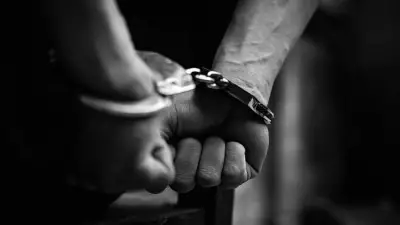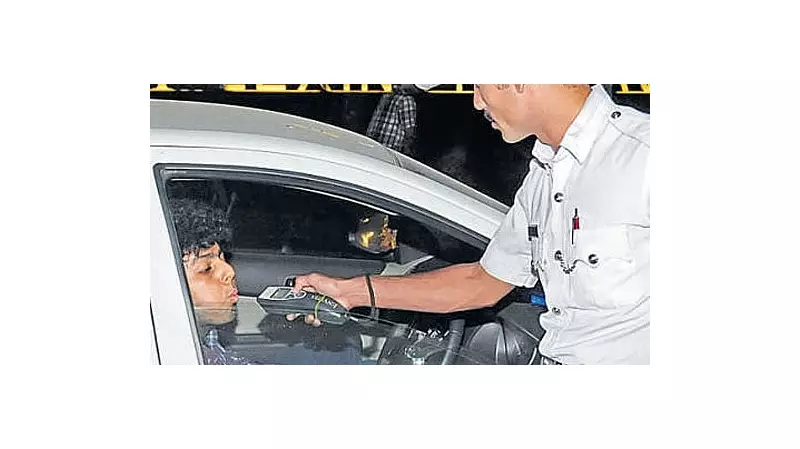
Delhi witnessed a significant and alarming spike in incidents of drunk driving as the city ushered in the New Year. The capital's traffic police reported a staggering 56% increase in the number of challans issued for driving under the influence on the night of December 31, 2025, compared to previous enforcement data.
Strategic Police Operation Thwarts Evasion Attempts
To ensure rigorous enforcement, the Delhi Traffic Police deployed a dynamic and strategic plan for the night. Breathalyser tests were conducted at multiple checkpoints across the city's major roads and hotspots. In a key tactical move, the police teams did not remain static. They rotated their locations periodically throughout the night. This rotation was a deliberate strategy to prevent motorists from learning checkpoint positions and attempting to evade the crucial drunk driving checks.
A Night of Heightened Vigilance and Enforcement
The operation spanned the entire evening of New Year's Eve and continued into the early hours of January 1, 2026. The police maintained a high level of vigilance, screening drivers to ensure road safety for all celebrants. The sheer 56% surge in challans highlights a persistent and dangerous trend of individuals choosing to get behind the wheel after consuming alcohol, despite repeated warnings and campaigns.

Implications and a Call for Responsible Celebrations
This sharp rise in violations presents serious concerns for public safety in the national capital. Each challan represents a potential accident averted, but the high number indicates a widespread disregard for traffic laws during festivities. The data underscores the critical need for continued strict enforcement and greater public awareness. It serves as a stark reminder for revellers to plan their return journeys responsibly, using designated drivers or cab services, to ensure that celebrations do not turn into tragedies.
The proactive measures by the Delhi Police, including the rotating checkpoint system, demonstrate a commitment to curbing this menace. However, the ultimate responsibility lies with citizens to make safer choices and protect themselves and others on the road.