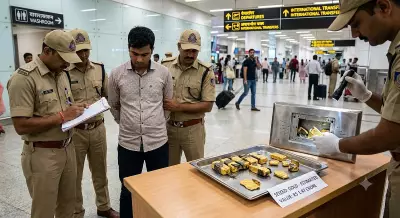
Delhi Court Delivers Verdict in 17-Year Shahtoosh Shawl Wildlife Crime Case
A court in Delhi has convicted a trader involved in the illegal sale of Shahtoosh shawls, marking the culmination of a protracted 17-year investigation into a significant wildlife crime. The case, which highlights the persistent threats to endangered species, was prosecuted under the stringent provisions of the Wildlife Protection Act of 1972.
Details of the Conviction and Investigation
The trader was found guilty of possessing and trading Shahtoosh shawls, which are crafted from the wool of the Tibetan antelope, also known as the chiru. This species is listed under Schedule I of the Wildlife Protection Act, affording it the highest level of protection due to its critically endangered status. The investigation, initiated in 2007, involved meticulous efforts by wildlife authorities to gather evidence linking the trader to the illicit trade network.
The court's ruling underscores the legal consequences for wildlife crimes, with penalties that can include imprisonment and fines. This conviction serves as a stark reminder of India's commitment to combating illegal wildlife trafficking, which poses a severe threat to biodiversity and conservation efforts globally.

Background on Shahtoosh Shawls and Conservation Issues
Shahtoosh shawls are renowned for their exceptional softness and warmth, but their production comes at a devastating cost. The Tibetan antelope is poached for its fine underwool, leading to a dramatic decline in its population over the decades. International and national laws strictly prohibit the trade in Shahtoosh products to protect this vulnerable species from extinction.
The case involved:
- Seizure of Shahtoosh shawls from the trader's premises.
- Forensic analysis confirming the wool's origin from Tibetan antelopes.
- Legal proceedings that spanned nearly two decades due to complexities in evidence collection and judicial processes.
This conviction is part of broader enforcement actions aimed at curbing wildlife crime in India, where illegal trade in animal products remains a pressing concern. Authorities continue to monitor and crack down on such activities to safeguard endangered species and uphold environmental laws.