Transgender Activists Stage Protest in Dehradun Against New Legislation
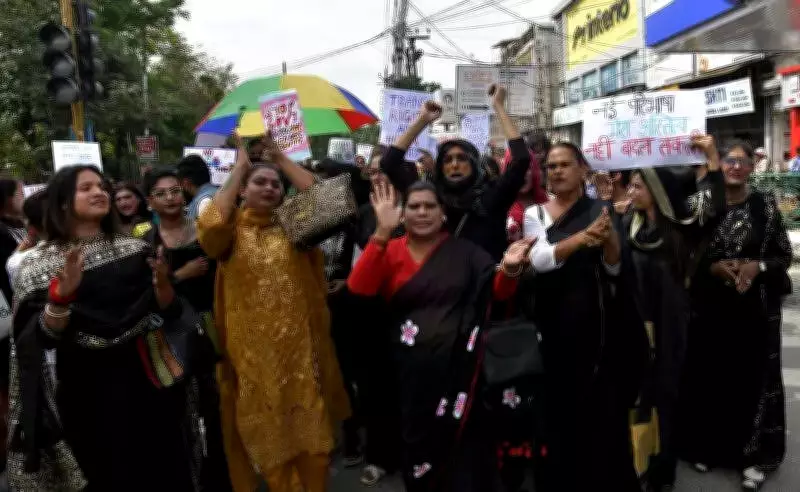
In a powerful demonstration on International Transgender Day of Visibility, members of the transgender community alongside social activists organized a protest in Dehradun. The demonstration targeted the recently enacted Transgender Amendment Bill, 2026, which received presidential assent from President Droupadi Murmu earlier this week.
Nationwide Outcry Over Legislative Process
This protest in Uttarakhand's capital mirrors similar actions occurring across India, with community representatives expressing deep concern about the legislative process. Activists emphasize that the Bill was introduced without adequate consultation with transgender organizations, potentially containing provisions that could significantly impact their fundamental rights and legal recognition.
"March 31 is traditionally dedicated to affirming the identities and rights of transgender, non-binary and LGBTQ+ communities worldwide," explained one participant. "However, this year in Dehradun, the day transformed into one of protest and public awareness against what we perceive as regressive legislation."

Black Attire Symbolizes Mourning for Rights
Dressed uniformly in black clothing, participants conveyed that the government's recent decision had turned what should be a celebratory occasion into a symbol of rights violation. Oshin Sarkar, a prominent trans rights activist, articulated the community's position clearly: "LGBTQ+ and non-binary individuals are equal members of society. Any legislation that restricts identity expression or imposes requirements such as mandatory medical examinations fundamentally violates their right to self-identification and personal privacy."
Contradiction with Supreme Court Precedent
Community leaders highlighted what they see as a direct contradiction between the new Bill and the landmark Supreme Court judgment in the NALSA versus Union of India case. That historic 2014 ruling formally recognized transgender persons as a "third gender" under Indian law and unequivocally upheld their fundamental rights to equality, non-discrimination, and life with dignity.
The protest featured a organized march from Gandhi Park to Parade Ground, where demonstrators symbolically burned copies of the controversial legislation. Beyond rejection of the Bill, protesters presented positive demands, urging the government to focus instead on ensuring practical access to education, employment opportunities, comprehensive healthcare services, and robust social security measures for transgender individuals.
Concerns About Social Progress Reversal
Activists expressed particular concern that the legislation could undermine the gradual increase in social acceptance and visibility that the community has achieved since the 2014 Supreme Court verdict. Throughout the demonstration, participants raised powerful slogans against the Bill and called for sustained resistance to what they characterize as discriminatory provisions.
The Dehradun protest represents a local manifestation of a growing national movement. A larger national protest is already planned for April 6 in New Delhi, expected to draw members of the transgender and LGBTQ+ communities from across India to voice collective opposition to the legislation and advocate for rights-based policies.