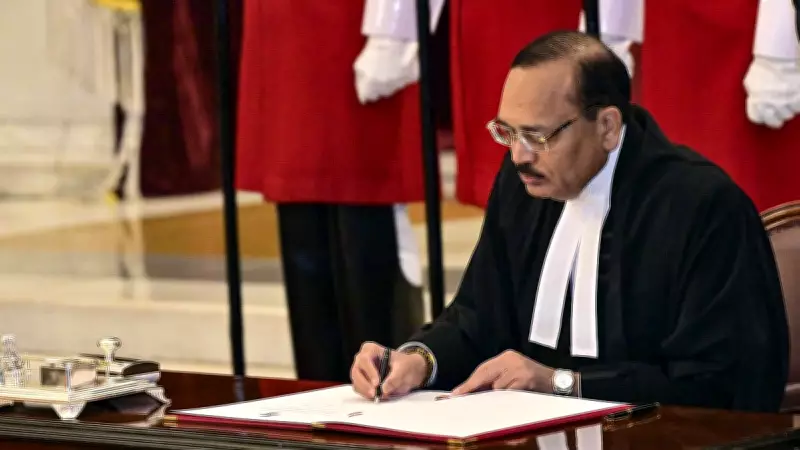
CJI Surya Kant Advocates for Informal Attire in Family Courts to Enhance Accessibility
In a significant move aimed at reforming the judicial system, Chief Justice of India (CJI) Surya Kant has proposed doing away with the traditional formal uniforms for judges and advocates in family courts across India. This suggestion seeks to foster a more welcoming and less intimidating atmosphere for litigants, particularly those dealing with sensitive personal matters such as divorce, child custody, and domestic disputes.
Rationale Behind the Proposal
CJI Surya Kant emphasized that the formal attire, including robes and gowns, can often create a barrier between the court and the common people. He argued that family courts should prioritize a compassionate and user-friendly environment, as these courts handle emotionally charged cases that require a nuanced approach. By removing the rigid dress code, the judiciary aims to reduce the perceived power imbalance and make the legal process more accessible to all citizens, especially women and children who may feel overwhelmed by the formal setting.
Potential Impact on Judicial Proceedings
If implemented, this change could mark a departure from long-standing traditions in the Indian legal system. Proponents believe that informal attire would help litigants feel more at ease, encouraging open communication and potentially leading to more amicable resolutions. However, some legal experts caution that maintaining a sense of decorum and respect for the court is crucial, and any modifications to dress codes should be carefully balanced to uphold the dignity of judicial proceedings.
Broader Context of Judicial Reforms
This proposal aligns with ongoing efforts to modernize India's judiciary and make it more responsive to the needs of the public. Recent initiatives have included digitization of court processes, establishment of specialized courts, and measures to reduce case backlogs. CJI Surya Kant's suggestion reflects a growing recognition that procedural reforms, such as dress code adjustments, can complement substantive legal changes to improve overall justice delivery.
Next Steps and Stakeholder Consultation
The proposal is expected to be discussed further with various stakeholders, including bar associations, judicial officers, and civil society groups. Any formal decision would likely involve consultations to ensure broad consensus and address practical concerns. As family courts play a critical role in safeguarding familial rights and welfare, this potential shift underscores the judiciary's commitment to evolving with societal needs while preserving the core principles of justice and fairness.