Chhattisgarh High Court Rejects Juvenile's Bail Appeal in 2025 Murder Case
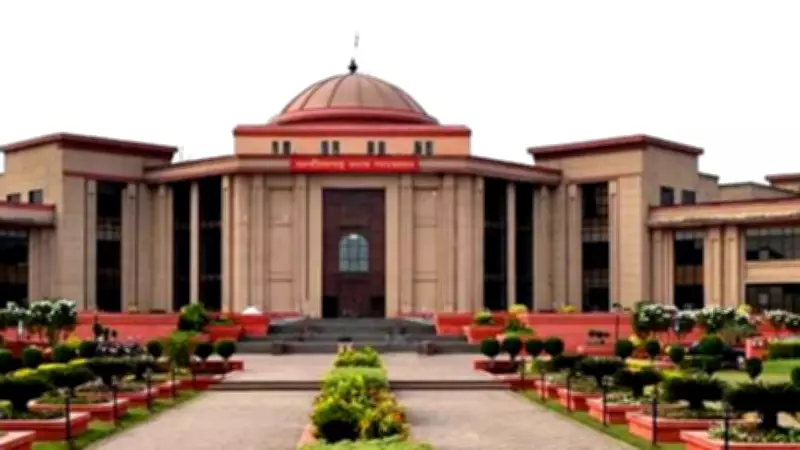
The Chhattisgarh High Court has firmly dismissed a juvenile's appeal for bail in a 2025 murder case, delivering a significant ruling that underscores the gravity of such offences. In a judgment dated February 13, Justice Arvind Kumar Verma stated that bail relief cannot be treated as an absolute or automatic right, and granting release in this instance would "defeat the ends of justice."
Court Upholds Lower Court Orders, Prioritizes Child Protection
Justice Verma upheld the earlier decisions of the Juvenile Justice Board (JJB) and a sessions court in Dhamtari, Chhattisgarh. The High Court expressed that it was "not convinced" a juvenile could claim bail without courts thoroughly examining the nature of the offence. The ruling emphasized that the JJB and sessions court appropriately prioritized child protection over routine bail in a heinous crime like murder.
"Such acts amount to a grave rupture of social order, violate the inherent dignity of childhood, and demand collective vigilance to restore moral balance," Justice Verma observed in his detailed judgment.
Background of the Case and Legal Arguments
The minor had filed a criminal revision plea under the Juvenile Justice Act, 2015, challenging the sessions court's order from October 31, 2025, which rejected bail. The case stems from an alleged incident on June 6 last year in Dhamtari, where the juvenile reportedly stabbed Vikas Dhruv following an altercation.
The minor's counsel argued that the lower courts failed to appreciate the reformative spirit of the 2015 law. They contended that continued detention in an observation home would expose the juvenile to criminal influences. Additionally, the defense claimed the attack occurred in self-defense, highlighting that the accused had no prior criminal records and came from a poor family background.
In response, government counsel Vivek Sharma contended that the lower courts had properly assessed the evidence, emphasizing the serious nature of the crime. The High Court's dismissal reinforces the stance that in cases involving severe offences like murder, the judicial system must balance reformative goals with the imperative of justice and public safety.
Implications for Juvenile Justice in India
This ruling highlights the nuanced application of the Juvenile Justice Act, 2015, in India. While the act aims to reform and rehabilitate juveniles, it also allows for stricter measures in cases of heinous crimes. The Chhattisgarh High Court's decision serves as a reminder that bail is not a guaranteed right in such scenarios, and courts must carefully weigh factors like the offence's severity and potential impact on society.
The judgment is expected to influence future cases involving juvenile offenders in serious crimes, setting a precedent for how courts interpret child protection versus justice delivery. It underscores the need for a balanced approach that considers both the welfare of the juvenile and the demands of justice in maintaining social order.