CBI Arrests Central Railway Engineer in Major Bribery Scandal, Recovers Crores in Cash and Jewellery
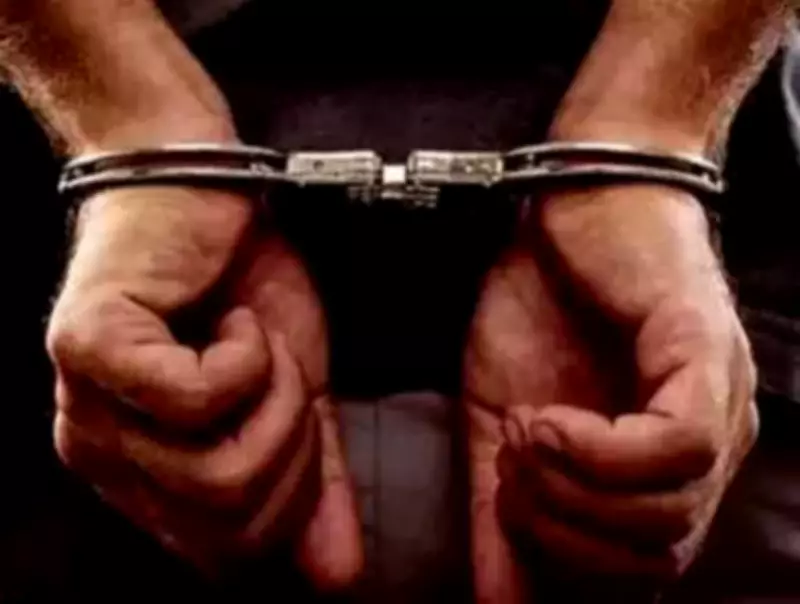
In a significant crackdown on corruption within the Indian Railways, the Central Bureau of Investigation (CBI) has arrested a senior official from the Central Railway (CR) after he was allegedly caught accepting a bribe of Rs 10 lakh. The arrest has sent shockwaves through the railway administration, highlighting deep-seated issues in contract awarding processes.
Details of the Arrest and Bribery Allegations
The CBI apprehended Ramesh Kumar Chauve, who serves as the chief electrical distribution engineer for Central Railway. According to agency sources, Chauve demanded a commission of 1% on a lucrative contract worth Rs 40.5 crore that was awarded to a company listed on the stock exchange. This commission amounted to a staggering Rs 40 lakh, with the Rs 10-lakh bribe representing the first instalment of this illicit payment.
The bribe was allegedly accepted from two individuals representing the company, who were also arrested in connection with the case. The CBI acted on a tip-off regarding Chauve's involvement in corrupt practices and had been monitoring his activities closely. On Monday, the two company representatives visited Chauve's office chamber in Mumbai, delivered the bribe money, and were subsequently caught by a waiting CBI team outside.

Massive Cash and Asset Recovery During Searches
Following the arrest, the CBI conducted extensive searches at multiple locations, leading to the recovery of substantial assets. During a raid on Chauve's residence, investigators uncovered:
- Rs 90.8 lakh in cash, which was hidden separately in various spots.
- Jewellery valued at approximately Rs 42.5 lakh.
- Numerous investment-related documents that are currently under scrutiny.
Additionally, the bribe amount of Rs 10 lakh was recovered from Chauve's office drawer, along with another Rs 3.9 lakh in cash. The agency also searched five locations linked to the three accused in Mumbai, Navi Mumbai, and Karjat, further expanding the scope of the investigation.
Legal Proceedings and Background of the Accused
The CBI produced all three arrested individuals before a court on Tuesday, where they were remanded to one day of CBI custody for further interrogation. This legal step underscores the seriousness of the charges and the need for a thorough probe into the matter.
Ramesh Kumar Chauve is a 2003 batch officer of the Indian Railway Services of Electrical Engineers, holding a prestigious position within the railway hierarchy. As the chief electrical distribution engineer, he is the technical head responsible for the electrical traction distribution system. His duties include planning, maintenance, operation, and periodic overhauling of traction distribution assets, making his alleged misconduct particularly concerning given the critical nature of his role.
The company representative involved in the bribery case has a history of securing multiple railway electrification contracts, raising questions about the integrity of past contract awards and the potential for widespread corruption in such processes. The CBI's investigation is ongoing, with officials examining the recovered documents to uncover any further irregularities or connections.
Implications for Railway Administration and Anti-Corruption Efforts
This case highlights persistent challenges in combating corruption within government departments, especially in sectors like railways where large contracts are frequently awarded. The recovery of crores in cash and assets from a single official points to possible systemic issues that may require broader reforms and stricter oversight mechanisms.
The CBI's proactive action, based on surveillance and tip-offs, demonstrates a commitment to rooting out corruption, but it also underscores the need for enhanced vigilance and ethical training among public servants. As the investigation progresses, more details are expected to emerge, potentially leading to further arrests or revelations about corrupt practices in railway contracts.

This incident serves as a stark reminder of the importance of transparency and accountability in public procurement processes, urging authorities to implement more robust checks and balances to prevent such scandals in the future.