

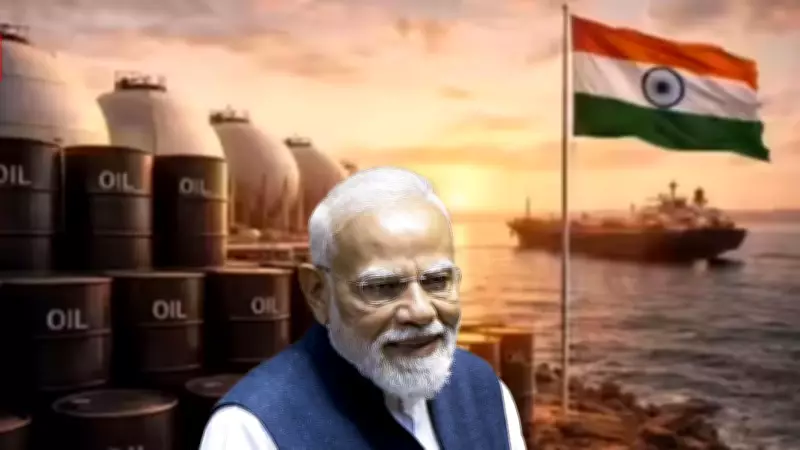
India Reassesses Iranian Crude Strategy Following US Sanctions Waiver
India, the world's third-largest oil importer, is carefully considering a strategic return to Iranian crude imports after the United States granted a temporary sanctions waiver. This development comes at a critical moment when escalating tensions in West Asia are significantly disrupting global oil supply chains, creating both opportunities and challenges for Indian energy planners.
Immediate Supply Potential Amid Global Disruption
The current market situation presents immediate supply potential, with approximately 130 to 170 million barrels of Iranian crude already at sea and available for purchase. This substantial volume could provide crucial relief to Indian refiners who are actively exploring options to stabilize their crude import portfolios during this period of global uncertainty.
Iranian oil offers distinct economic advantages that are particularly appealing in the current climate. The technical characteristics of Iranian crude make it compatible with many Indian refineries, potentially reducing processing costs and improving operational efficiency. Furthermore, the geographical proximity of Iran to India could translate into lower transportation expenses compared to more distant suppliers.

Complex Decision-Making Landscape
However, the decision to resume Iranian crude imports is far from straightforward. The US waiver is explicitly short-term, creating a limited window of opportunity filled with significant uncertainty. Indian policymakers and refiners must navigate a complex landscape of banking restrictions, compliance risks, and delicate geopolitical sensitivities.
Major hurdles remain substantial, including:
- Persistent banking and financial transaction restrictions
- Compliance risks associated with potential future sanctions
- Geopolitical sensitivities involving multiple international relationships
- The temporary nature of the current waiver period
Strategic Energy Considerations
This potential return to Iranian crude represents more than just a transactional decision—it reflects India's broader energy security strategy. As a nation heavily dependent on imported oil to fuel its growing economy, India must balance several competing priorities:
- Ensuring stable and affordable energy supplies for 1.4 billion citizens
- Maintaining positive relationships with multiple international partners
- Managing economic considerations while minimizing geopolitical risks
- Developing a diversified energy import portfolio for long-term security
The current situation requires Indian decision-makers to weigh whether to act quickly to secure available Iranian crude or maintain a more cautious approach that prioritizes long-term diplomatic and economic relationships. This delicate balancing act will significantly influence India's energy security position in the coming months and years.






