Canadian Man Pleads Guilty to Aiding Suicide in Global Lethal Substances Case
A Canadian man accused of selling lethal substances online to individuals at risk of self-harm has agreed to plead guilty to 14 counts of counseling or aiding suicide, according to his lawyer. This development comes as prosecutors withdraw all 14 murder charges previously filed against him.
Plea Agreement and Legal Proceedings
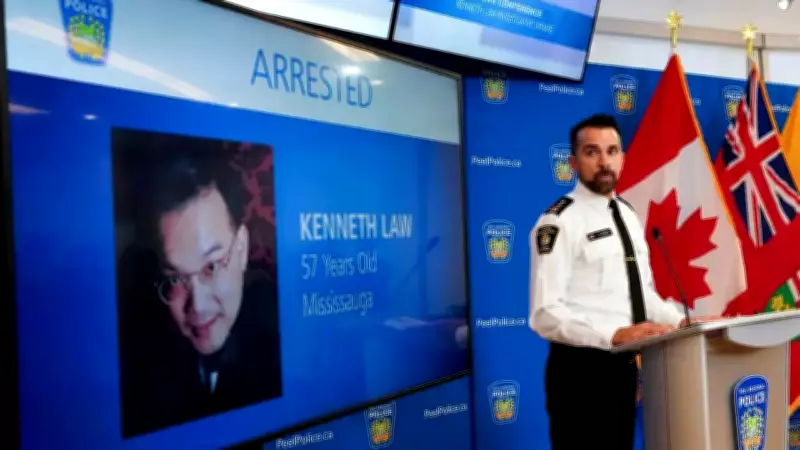
Kenneth Law, represented by lawyer Matthew Gourlay, will plead guilty to the charges of aiding suicide, as confirmed in an email to The Associated Press. The plea agreement was first reported by the Canadian Broadcasting Corporation. Law is scheduled to appear virtually via Zoom before a court in Newmarket, Ontario, on Monday afternoon for further scheduling purposes, with the formal plea and sentencing to occur at a later date.
Prosecutors have agreed to drop the murder charges in exchange for the guilty plea to aiding suicide. This shift in charges highlights the legal complexities surrounding cases involving self-harm and assisted suicide in Canada. Calls to Ontario's Ministry of the Attorney General for comment were not immediately answered.

Background of the Case
Canadian police allege that Law, a resident of the Toronto area, operated a series of websites to market and sell sodium nitrite, a substance commonly used in meat curing that can be fatal if ingested. Authorities suspect he sent at least 1,200 packages to over 40 countries, prompting investigations by authorities in the United States, Britain, Italy, Australia, and New Zealand.
Law has been in custody since his arrest at his home in Mississauga, Ontario, in May 2023. The case has drawn international attention due to its cross-border implications and the ethical issues surrounding online sales of potentially deadly substances.
Legal Context in Canada
In Canada, it is illegal to recommend or counsel suicide, although assisted suicide has been legal since 2016 for individuals aged 18 and older. Under this law, any adult with a serious illness, disease, or disability may seek medical assistance in dying, but only through a physician. This legal framework contrasts sharply with Law's alleged actions, which involved selling substances directly to individuals without medical oversight.
According to the Canadian Criminal Code, abetting suicide carries a maximum sentence of 14 years in prison. In contrast, a murder conviction results in an automatic life sentence with no chance of parole for at least 25 years. The plea agreement to aiding suicide, rather than murder, could significantly impact Law's potential sentencing and legal outcome.
Global Investigations and Implications
The case has sparked investigations in multiple countries, reflecting the global reach of online sales and the challenges in regulating such activities. Authorities are examining the extent of Law's operations and the impact on vulnerable individuals worldwide. This incident underscores the need for international cooperation in addressing online platforms that facilitate access to harmful substances.
As the legal proceedings continue, this case serves as a critical example of how digital commerce intersects with public health and criminal law, raising questions about accountability and prevention in the digital age.