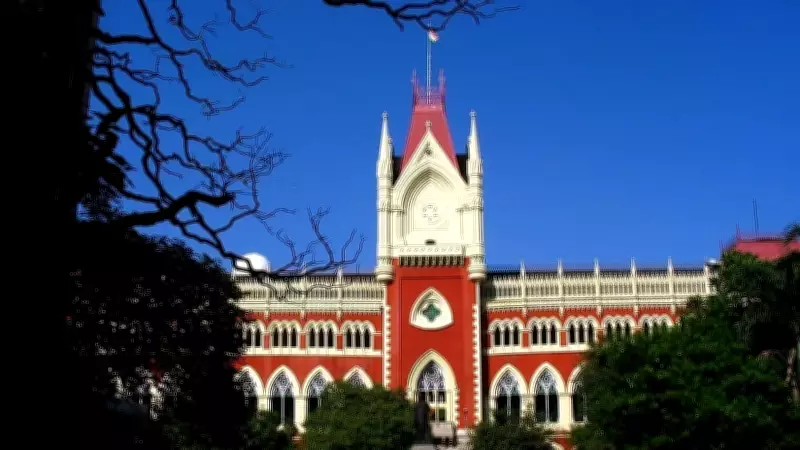
Calcutta High Court Chief Justice Convenes Special Meeting Following Supreme Court Directive
In a significant development, the Chief Justice of the Calcutta High Court has held a Special Intensive Revision (SIR) meeting in response to a recent order from the Supreme Court of India. This high-level judicial gathering was convened to address critical issues related to electoral roll discrepancies and the subsequent removal of names from voter lists.
Supreme Court Mandate on Electoral Roll Adjudication
The apex court issued a directive ordering the deputation of judicial officers specifically for the adjudication of claims and objections from individuals who have been placed on logical discrepancy lists. These individuals are facing the potential removal of their names from the electoral rolls, a matter of grave constitutional importance concerning voting rights and democratic participation.
The Supreme Court's intervention underscores the urgency of resolving these electoral discrepancies before upcoming elections. The court emphasized the need for a swift and fair process to ensure that no eligible voter is unjustly disenfranchised due to administrative errors or procedural oversights.
Immediate Actions Taken by Calcutta High Court
Following the Supreme Court's order, the Calcutta High Court Chief Justice immediately organized the SIR meeting to implement the directive. As part of this emergency response, the High Court administration has taken the unprecedented step of cancelling all leaves previously granted to judicial officers involved in this process.
This cancellation of leaves demonstrates the seriousness with which the judiciary is approaching this matter and the commitment to expedite the resolution of electoral roll disputes. The judicial officers will now focus exclusively on reviewing cases of individuals whose names appear on logical discrepancy lists and who risk being removed from voter registration databases.
Broader Implications for Electoral Integrity
The Supreme Court's order and the Calcutta High Court's responsive actions highlight several important aspects of India's electoral system:
- Judicial oversight of electoral processes to ensure fairness and transparency
- Protection of voting rights for all eligible citizens
- Expedited resolution mechanisms for electoral disputes
- Inter-branch coordination between different levels of the judiciary
The Special Intensive Revision meeting represents a coordinated effort between the Supreme Court and the Calcutta High Court to safeguard democratic principles. By deputing judicial officers specifically for this purpose and cancelling their leaves to prioritize this work, the judiciary is sending a clear message about the importance of electoral integrity.
This development comes at a crucial time when electoral roll accuracy is paramount for upcoming elections. The logical discrepancy lists contain names of voters whose registration details show inconsistencies that need resolution before their voting rights can be confirmed or potentially revoked. The judicial officers assigned to this task will examine each case individually, ensuring due process is followed for every affected citizen.
The Calcutta High Court's prompt response to the Supreme Court directive reflects the judiciary's commitment to upholding constitutional values and protecting fundamental rights. As this process unfolds, it will set important precedents for how similar electoral disputes are handled across India's judicial system.