Calcutta High Court Takes Unprecedented Step to Clear Massive SIR Case Backlog
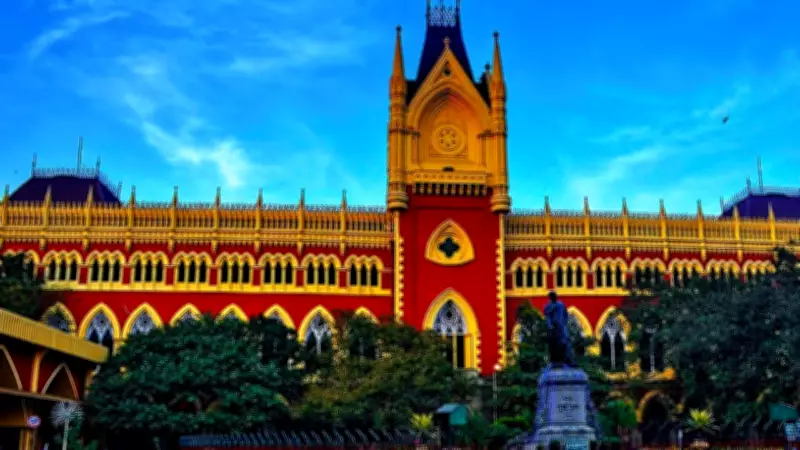
In an extraordinary move to address a staggering backlog of approximately 45 lakh disputed Summary Revision (SIR) cases, the Calcutta High Court administration has cancelled all leave for senior district judges until March 9. This directive, unprecedented in recent judicial history, applies to all senior judges except in cases of medical emergencies.
Judicial Mobilization Under Supreme Court Directive
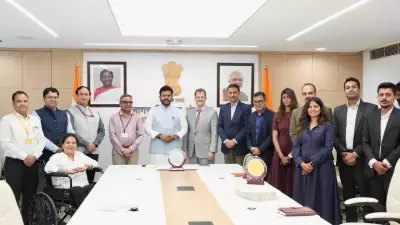
The decision follows a crucial meeting chaired by Chief Justice Sujoy Paul with senior state officials and Election Commission representatives, acting on a Supreme Court directive. The high-level gathering included CEO Manoj Agarwal, Chief Secretary Nandini Chakravorty, DGP Peeyush Pandey, Kolkata Police Commissioner Supratim Sarkar, Vijay Pandey (EC's DG of Law), the registrar general of Calcutta HC, the advocate general, and the additional solicitor general.
The Supreme Court's "extraordinary" order specifically called for "serving judicial officers, along with some former judicial officers of impeccable integrity in the rank of district judges/additional district judges, to revisit and dispose of pending claims under the category of 'logical discrepancy/unmapped category' in each district."
Massive Deployment of Judicial Resources
Approximately 23 district judges and 150 senior judges have been mobilized to tackle this enormous caseload. All proceedings will be conducted under comprehensive CCTV surveillance, with cameras installed both inside and outside the rooms where judicial officers will work.
Late on Saturday evening, the high court registrar general provided the Bengal government with an initial district-wise list of 95 judges assigned to SIR work. The deployment reflects areas with the highest pendency:
- North 24 Parganas: 13 judges
- South 24 Parganas: 13 judges
- Murshidabad: 8 judges
The judges are expected to begin reaching their assigned districts on Sunday and commence work on Monday.
Election Commission's Critical Role and Deadlines
Election Commission CEO Manoj Agarwal provided crucial details about the operation. "Primarily, 45 lakh disputed cases have been identified by the micro-observers," he stated. "However, this figure may change as the portal for scrutiny of documents and disposal will close Saturday midnight."
The Commission will compile district and assembly constituency-wise cases and submit these to the High Court before Sunday noon. Agarwal emphasized that the EC has requested one judicial officer per assembly constituency and remains committed to its February 28 deadline for publishing the first voters' list.
"All cases cleared by February 26 or 27 will be included in the list to be published on February 28," Agarwal explained. "The remaining cleared cases will be included in a supplementary list."
Technical Infrastructure and Support Systems
The Election Commission is developing a simplified portal specifically for judicial officers and creating individual login IDs to facilitate their work. Micro-observers and state government officers already deputed with the EC will provide essential assistance to the judges throughout the process.
According to EC sources, the bulk of disputed cases involve discrepancies flagged by micro-observers, including:
- Uploading of blank or illegible pages
- Absence of family relationship documents
- Conflicting dates of birth across different documents
- Various other documentation issues
Controversy Over Oversight Appointments
Saturday's meeting revealed disagreements between state and Election Commission officials regarding oversight arrangements. The Commission objected to some names in the state's list of seven former justices proposed to oversee judicial officers.
The Commission raised concerns that several former justices have held or currently hold positions in different state panels or government departments after retirement, potentially compromising their perceived impartiality.
This massive judicial mobilization represents one of the most significant administrative responses to election-related case backlogs in recent Bengal history, with implications for voter list accuracy and electoral integrity.