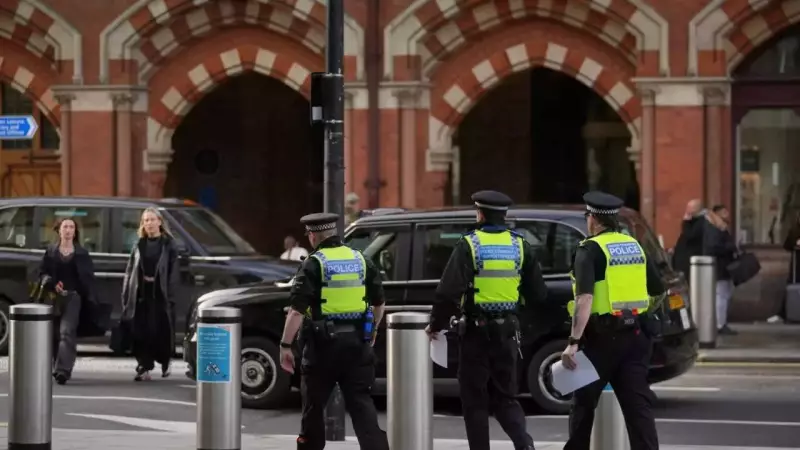
Britain's Most Radical Policing Overhaul Since 1829: Introducing the 'British FBI'
Britain is on the brink of its most transformative policing reform in nearly two centuries, with the government set to unveil plans for a new National Police Service (NPS)—quickly nicknamed the 'British FBI.' This proposed elite force aims to revolutionize how the country combats serious crime, addressing modern threats that transcend local boundaries.
Why Britain Needs a 'British FBI'
Home Secretary Shabana Mahmood has declared that the current policing model—divided across 43 local forces in England and Wales—is 'no longer fit for modern crime.' She emphasized that crimes like fraud, online abuse, and international gang activities do not respect local jurisdictions, rendering the existing system outdated.
'Local officers are being stretched thin,' Mahmood argued, noting they often lack the specialist skills or national resources needed to investigate complex cases. Despite this, she insists the reform is 'absolutely not' a cost-cutting measure, though the government anticipates savings through centralized procurement, shared resources, and reduced duplication.
What the National Police Service Will Do
The NPS will function as a centralized, elite agency with a broad mandate to tackle high-level crimes. Its responsibilities will include:
- Counterterrorism operations
- Major fraud and financial crime investigations
- Online child exploitation probes
- Organized and cross-border criminal gang activities
- Management of police helicopters and national road policing
- Oversight of regional organized crime units
In essence, it will serve as a UK-wide crime-fighting body, similar in scope—though not identical in powers—to the FBI in the United States.
Impact on Local Police Forces
Local police forces will not disappear under this new model, but their roles will undergo significant changes. Neighbourhood forces will shift their focus to:
- Shoplifting and petty theft
- Phone theft and anti-social behaviour
- Local violence and routine patrol duties
- Community engagement and public safety initiatives
Complex and resource-intensive investigations will be transferred to the national body, allowing local officers to concentrate on everyday crime and community needs.
Leadership and Structure
The head of the new force, titled the National Crime Commissioner, will become the most senior police officer in the country. This position will surpass the commissioner of London's Metropolitan Police, who currently holds the top rank, marking a major shift in the UK's policing hierarchy.
Timing and Public Concerns
These reforms come at a critical time, driven by rising public anxiety over:
- Fraud emerging as Britain's most common crime
- Explosive growth in online and technology-enabled offences
- Police forces struggling to balance serious crime with local policing demands
The government is framing this plan as a 'once-in-a-generation reset'—the most substantial policing reform since Sir Robert Peel established the first professional force in 1829.
Next Steps and Implementation
Full proposals will be presented to Parliament on Monday, with potential changes including:
- Merging or reducing the number of police forces
- Establishing new recruitment and management structures
- Developing specialized training programs for NPS officers
The idea has already garnered cautious support from senior police leaders, including London's Metropolitan Police, which currently leads counterterrorism operations. This backing suggests a collaborative approach to implementing the sweeping changes.