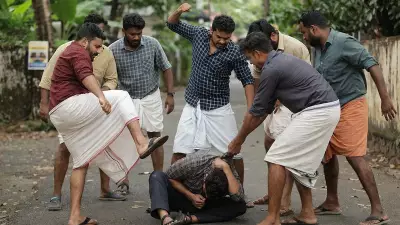
Bhopal Grapples with Escalating Gang Violence as Three Gun Attacks Rock City in 15 Days
A disturbing surge in gang-related violence has gripped Bhopal, with three consecutive gun attack incidents reported over the past 15 days. These alarming events, allegedly stemming from intense rivalries between criminal factions, have exposed significant monitoring gaps in local policing and a critical lack of preventive measures by law enforcement authorities in the city.
Organized Criminal Networks and Illegal Activities Fuel Violence
The series of brazen attacks strongly suggests that criminal gangs in Bhopal are becoming increasingly organized, emboldened, and unafraid of confronting law enforcement agencies. According to reliable sources within the police department, disputes over control of lucrative gambling dens are believed to have triggered at least two of the recent shootings, along with numerous earlier incidents. This pattern indicates that illegal gambling operations and other unlawful activities continue to thrive unchecked in various parts of the city.
The developments have also cast a harsh spotlight on potential lapses in intelligence gathering and systematic monitoring of habitual offenders. Another major concern raised by investigators is the conspicuous absence of significant firearm seizures in recent months, even as hardened criminals are openly using sophisticated weapons to target rivals and intimidate local residents.

Police Acknowledge Disturbing New Trend in Traditionally Peaceful City
Senior police officials have openly admitted that this violent trend represents a disturbing and relatively new phenomenon for Bhopal, which has traditionally been considered a relatively peaceful urban center. Frequent gun attacks and open gang rivalries were not common occurrences in earlier years, but the recent spate of incidents suggests that smaller criminal gangs have grown substantially stronger and more active in their operations.
Law enforcement authorities have also emphasized the urgent need to investigate the sources of illegal firearms being used in these crimes. The proliferation of weapons among criminal elements poses a serious threat to public safety and requires immediate attention from specialized investigation teams.
Extensive Criminal Network Operating Across Bhopal
Investigations reveal that approximately a dozen active criminal gangs are allegedly operating across different neighborhoods and districts of Bhopal. These organized groups are involved in a wide range of illegal activities throughout the city, from gambling and betting operations to various other unlawful rackets including systematic extortion schemes.
The criminal landscape includes:
- Gangs specializing in property-related crimes
- Factions focused on violent offenses and intimidation
- Networks controlling illegal gambling operations
- Groups engaged in extortion and protection rackets
From time to time, videos of these criminals surface on social media platforms, showing them openly partying, dancing at events, throwing currency notes in displays of wealth, and posing menacingly with weapons. These public displays openly flaunt their influence and demonstrate a blatant disregard for legal authorities.
Monitoring Systems and Their Apparent Limitations
Local residents frequently hesitate to lodge formal complaints against these criminal elements due to legitimate fears of retaliation and intimidation. A senior police officer explained that monitoring of notorious criminals is theoretically carried out at multiple administrative levels. Each police station maintains a list of approximately 30 active hardened criminals within their jurisdiction, including both hardened offenders and listed goons with established criminal histories.
Their comprehensive dossiers are also maintained by the specialized Crime Branch unit, which tracks their movements through both physical surveillance and digital monitoring of social media activities. Currently, more than 1,200 individuals with criminal backgrounds are included on the city police's formal monitoring list.

Preventive Measures and Their Implementation Challenges
Explaining standard preventive measures, a senior officer detailed that offenders are often legally "bound over," which imposes specific restrictions that legally restrain them from engaging in further criminal activities. Violation of these binding conditions can result in jail sentences and substantial financial penalties.
For particularly dangerous hardened criminals, more stringent actions such as externment (district banishment) and proceedings under the National Security Act (NSA) are also initiated when appropriate. However, one of the most alarming issues highlighted by recent incidents is that several criminals return to criminal activities almost immediately after being released from jail, whether on bail or after completing their sentences.
Repeat Offenders and Post-Release Monitoring Failures
Many recent violent cases in the city have reportedly involved such repeat offenders, raising serious questions about the effectiveness of post-release monitoring by local police stations as well as the specialized Crime Branch, which maintains official records of their release dates and subsequent activities. Despite repeated police assurances about comprehensive surveillance systems, continued incidents of murder, attempted murder, robbery, theft, and assault indicate that existing monitoring mechanisms may not be functioning as effectively as intended.
Police Commissioner Responds to Growing Concerns
Police Commissioner Sanjay Kumar has publicly stated that regular monitoring of hardened criminals is systematically carried out, and accountability is firmly established whenever lapses are identified. "If monitoring is not conducted properly according to established protocols, those responsible are immediately questioned and appropriate disciplinary action is taken against them," he emphasized.
Referring specifically to the recent Aishbagh firing case, Commissioner Kumar confirmed that police investigators are currently verifying whether the accused individuals had been legally "bound over" in previous proceedings. He openly acknowledged that the frequent use of firearms in recent incidents clearly indicates that criminals have relatively easy access to weapons despite law enforcement efforts.
"Whenever firearms are recovered during investigations, we make determined efforts to trace the entire illegal supply chain and dismantle it completely. Illegal firearms remain under constant watch by our specialized teams," the Commissioner added, while recognizing the challenges posed by sophisticated criminal networks.