

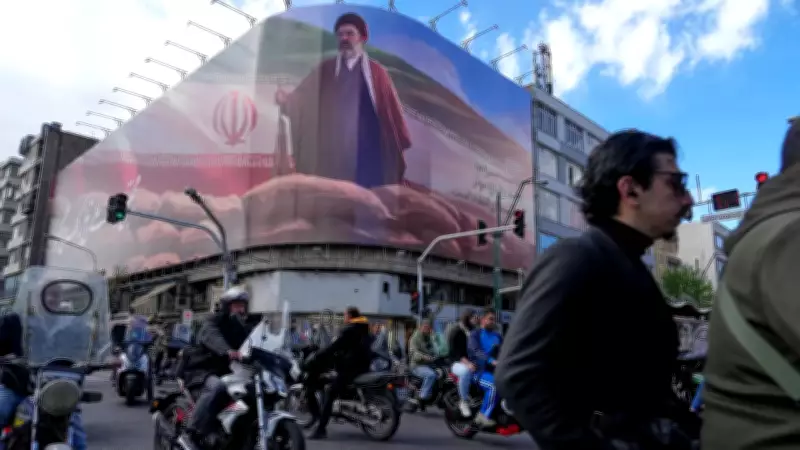
Iranian Official Calls for Civilian Shields at Power Plants Amid US Threats
An Iranian government official has issued a direct appeal to citizens, particularly young people, to gather at the country's power plants at a specific time on Tuesday. In a video broadcast on state television, Alireza Rahimi, identified as the secretary of Iran's Supreme Council of Youth and Adolescents, urged "young people, athletes, artists, students, and university professors" to assemble at 2 p.m. around key energy infrastructure.
Appeal for Unity and Protection of National Assets
Rahimi described these facilities as "national assets" that belong to the future of Iran, calling for unity "regardless of political viewpoint." This move comes as tensions escalate dramatically, with former US President Donald Trump warning that Iran's power plants and bridges could be destroyed within hours if Tehran fails to meet his demands by a self-imposed deadline later on Tuesday.
Historical Tactics and Strategic Timing
The call echoes tactics previously employed by Iran during periods of heightened confrontation with Western powers. In the past, human chains—effectively serving as civilian shields—have been formed around sensitive sites, including nuclear facilities, in an effort to complicate or discourage military strikes. Such methods have historical precedent beyond Iran; during the 1991 Gulf War, Saddam Hussein's regime deployed civilians, including foreign nationals, near potential targets to deter US-led attacks.

Analysts suggest that the re-emergence of these tactics signals a high level of concern within Tehran over the immediacy of Washington's threats. The timing—"Tuesday at 2 p.m."—appears strategically designed to precede Trump's deadline, creating a visible civilian presence at potential targets before any military action could potentially begin.
Trump's Stark Warnings and Regional Hostilities
Speaking at the White House on Monday, Trump issued one of his most severe warnings yet, stating that Iran's infrastructure could be "taken out in one night." He elaborated, "Every power plant in Iran will be out of business, burning, exploding," and added that bridges would also face "complete demolition" within a matter of hours if Iran does not comply with US demands. These demands include reopening the Strait of Hormuz to unrestricted oil traffic.
Trump dismissed concerns that such strikes could constitute war crimes, arguing that preventing Iran from acquiring nuclear weapons was a greater imperative. This rhetoric comes as hostilities intensify across the region. Recent reports indicate explosions in Tehran and Karaj amid Israeli airstrikes, while missile and drone attacks linked to Iran have hit targets in Iraq and triggered interceptions in Saudi Arabia.
Broader Implications and Global Context
The situation underscores the volatile dynamics in the Middle East, with Iran leveraging civilian mobilization as a defensive strategy against perceived military threats. This development highlights the ongoing geopolitical struggles and the potential for further escalation, affecting global energy markets and international relations. As both sides ramp up their rhetoric and actions, the world watches closely, anticipating the outcomes of these high-stakes confrontations.






