Bangladesh Election 2026: BNP Secures Landslide Victory, Tarique Rahman to Assume Prime Minister Role
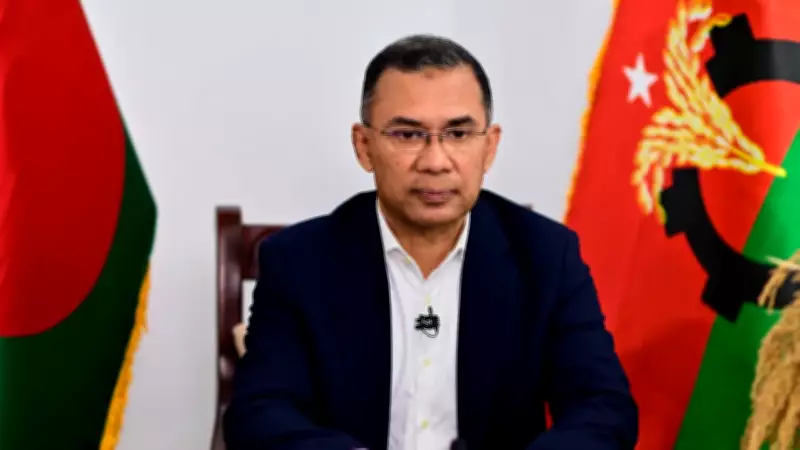
In a historic turn of events, the Bangladesh Nationalist Party (BNP) has claimed a sweeping victory in the country's 13th parliamentary elections, marking a dramatic return to power after a gap of two decades. BNP Chairperson Tarique Rahman, son of former Prime Minister Begum Khaleda Zia, has declared the party's triumph, setting the stage for a new political era in Bangladesh.
Election Results and Political Shift
According to unofficial results announced by the election commission, the BNP secured an overwhelming majority, bagging 209 out of 297 seats. This decisive win positions the party to form the next government, with Tarique Rahman poised to become prime minister for the first time. The elections, held on Thursday, recorded a voter turnout of approximately 60%, reflecting strong public engagement despite the complex political backdrop.
The right-wing Jamaat-e-Islami, known for its historical ties to Pakistan, secured 68 seats, particularly in constituencies along the Indian border. This development has raised concerns in India, given Jamaat's ideological proximity to Pakistan and its gains in border districts mirroring similar patterns seen in past regional polls. In contrast, Sheikh Hasina's Awami League was barred from contesting, following its overthrow in a mass uprising in August 2024 that ended her 15-year rule.

Tarique Rahman's Leadership and Personal Tributes
Tarique Rahman formally assumed the role of BNP chairman on January 9, shortly after the passing of his mother, Khaleda Zia. In a gesture of respect, he has requested that celebrations of the party's victory be postponed, instead calling for prayers for Khaleda Zia following the Friday congregational prayer. This move underscores the emotional and symbolic weight of the election, held amid a period of significant political transition following her death.
Rahman's victory speech highlighted the election as a "new chapter" for Bangladesh, emphasizing the need for a democratically elected government to guide the country forward. The BNP general secretary, Mirza Fakhrul Islam Alamgir, announced that the party plans to form the new government by Sunday, with the oath ceremony for newly elected MPs likely scheduled for next Monday or Tuesday.
Election Context and International Reactions
The 13th parliamentary elections were conducted under a revised notification, following the dissolution of the 12th National Parliament in August 2024. Observers note that the polls took place in a changed political context, with a degree of consensus among stakeholders. The election also included a referendum on an 84-point reform package, known as the July National Charter, which saw a 60.3% voter turnout and a clear majority in favor.
Internationally, Indian Prime Minister Narendra Modi's congratulations to Tarique Rahman have been described by experts as a "significant gesture." Hafqat Munir, a senior fellow at the Bangladesh Institute of Peace and Security Studies, noted that this outreach could help reinvigorate bilateral ties, which have faced "ups and downs" in recent times. He expressed confidence that the new government, with its resounding mandate, can work to rebuild trust and enhance cooperation between Bangladesh and India.
Violence and Security Concerns
The election period was not without incidents of violence. In Munshiganj Sadar Upazila, a supporter of a BNP rebel candidate, Jasim Uddin, was killed in an alleged attack, highlighting the tense atmosphere in some regions. Family members accused local volunteer party leaders of involvement, pointing to ongoing security challenges as the country navigates this political transition.
Voters turned out early on election day, forming long queues outside polling stations from as early as 6 am local time, signaling strong public anticipation for a transparent and fair electoral process. The elections come after a period of instability, including widespread attacks on minorities following the 2024 uprising, making this vote a critical moment for national healing and progress.

Future Outlook and Governance
With the BNP's victory, Bangladesh enters a new phase of governance, replacing the interim government led by Professor Muhammad Yunus. The transfer of power is expected to occur swiftly, with the Chief Election Commissioner set to administer the oath to MPs. This election marks not just a change in leadership but a potential reset in domestic and foreign policies, as the country seeks to address economic, social, and diplomatic challenges.
As Tarique Rahman prepares to take office, the focus will be on implementing reforms, fostering political stability, and strengthening international relationships. The 13th parliamentary elections have undoubtedly reshaped Bangladesh's political landscape, offering hope for a more democratic and prosperous future.