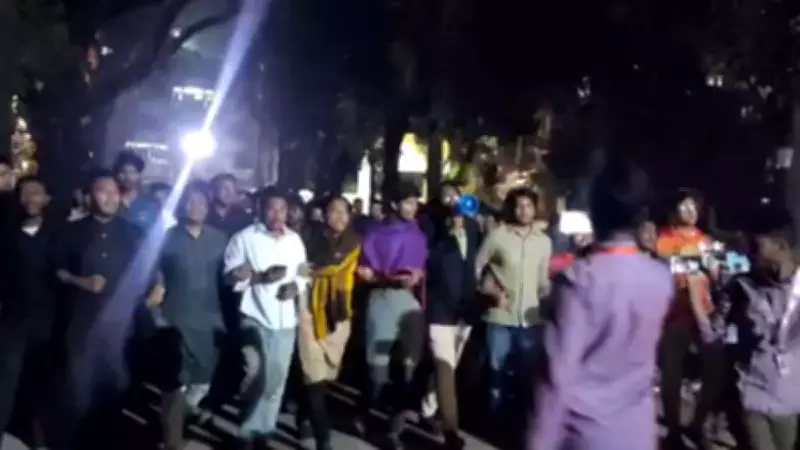
Bangladesh's Munshiganj District Grapples with Post-Election Violence After 2026 Polls
In a tragic turn of events, the aftermath of the 2026 general elections in Bangladesh has been marred by violent clashes in the Munshiganj district, leading to a significant number of casualties and widespread concern over political stability. The unrest erupted shortly after the election results were announced, with reports indicating that at least several individuals have lost their lives and many more have been injured in the ensuing chaos.
Details of the Violence and Casualty Reports
According to local sources and eyewitness accounts, the violence in Munshiganj began as tensions flared between supporters of rival political factions following the declaration of the election outcomes. The clashes involved physical altercations, stone-pelting, and in some instances, the use of firearms, resulting in a grim toll on human life. Authorities have confirmed multiple fatalities, though the exact death count remains fluid as investigations continue and more information emerges from the affected areas.
The casualty figures are expected to rise as medical teams work tirelessly to treat the wounded and assess the full extent of the injuries. Hospitals in and around Munshiganj have reported being overwhelmed with patients, highlighting the severity of the situation and the urgent need for medical assistance and resources.

Government and Law Enforcement Response
In response to the escalating violence, Bangladeshi law enforcement agencies have been deployed to Munshiganj in an effort to restore order and prevent further bloodshed. Security forces have been instructed to maintain a strict vigil and take necessary measures to curb the unrest, including imposing curfews in hotspot areas to deter additional clashes.
Government officials have issued statements condemning the violence and urging all parties to exercise restraint and respect the democratic process. They have emphasized the importance of peaceful resolution and dialogue to address any grievances related to the election results, rather than resorting to violence that jeopardizes public safety and national harmony.
Broader Implications for Bangladesh's Political Landscape
This incident in Munshiganj raises serious questions about the state of political discourse and security in Bangladesh, especially in the context of post-election periods. Historically, the country has experienced similar episodes of violence following elections, underscoring deep-seated political rivalries and challenges in ensuring a smooth transition of power.
- Impact on Democracy: The violence threatens to undermine the credibility of the electoral process and could erode public trust in democratic institutions.
- Regional Stability: As a key player in South Asia, unrest in Bangladesh has potential repercussions for regional stability and international relations.
- Humanitarian Concerns: The casualties and displacement of civilians highlight urgent humanitarian needs that must be addressed promptly.
Experts warn that without swift and effective intervention, such incidents could escalate, leading to prolonged instability and hindering Bangladesh's socio-economic progress. The international community is closely monitoring the situation, with calls for all stakeholders to prioritize peace and uphold the rule of law.
Moving Forward: Calls for Peace and Accountability
As the dust settles in Munshiganj, there is a growing chorus of voices advocating for peace, reconciliation, and accountability. Civil society groups, human rights organizations, and political leaders are urging thorough investigations into the violence to identify perpetrators and ensure justice for the victims.

- Immediate Relief: Provide medical aid and support to those affected by the violence.
- Long-term Solutions: Foster inclusive political dialogue to address underlying tensions and prevent future conflicts.
- Strengthen Institutions: Enhance the capacity of electoral and security bodies to manage post-election scenarios more effectively.
In conclusion, the post-poll violence in Munshiganj serves as a stark reminder of the fragility of peace in democratic transitions. While Bangladesh has made significant strides in development, incidents like this underscore the need for continued efforts to build a more resilient and harmonious political environment. The coming days will be critical in determining how the nation navigates this crisis and works towards a more stable future.