Bangladesh Election: BNP Claims Victory as Projections Show Sheikh Hasina's Win
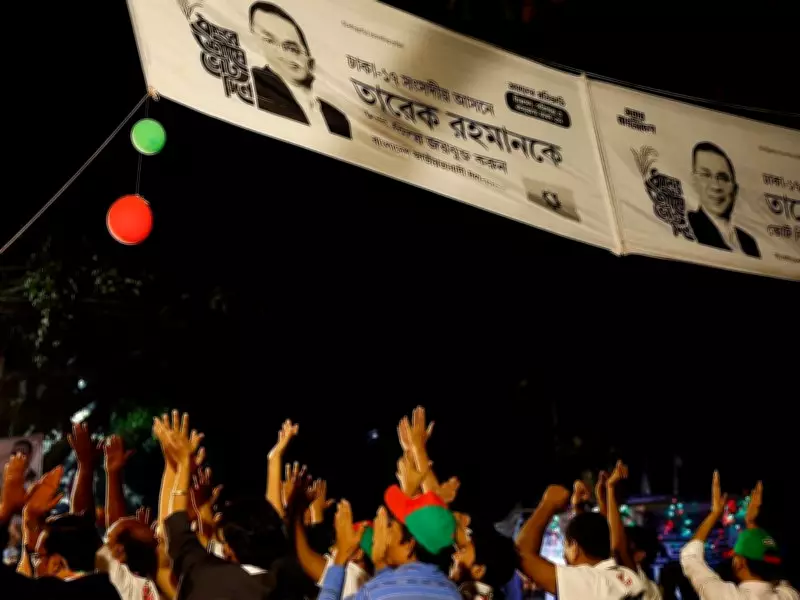
In a dramatic turn of events following Bangladesh's parliamentary elections, the opposition Bangladesh Nationalist Party (BNP) has declared its readiness to form the government. This announcement comes even as early projected results indicate a clear victory for Prime Minister Sheikh Hasina and her ruling Awami League party.
BNP's Bold Assertion Amid Projected Results
The BNP, led by former Prime Minister Khaleda Zia, made a public statement asserting that the party is set to form the next government. This claim is based on their internal assessments and reports from party workers across the country. However, independent projections and early vote counts suggest a different outcome, with Sheikh Hasina's Awami League appearing to secure a significant majority in the parliament.
Political analysts note that such conflicting claims are not uncommon in Bangladesh's highly charged electoral environment. The BNP's statement is seen as a strategic move to rally its supporters and challenge the legitimacy of the election process, which the party had previously boycotted in some constituencies.

Projected Victory for Sheikh Hasina's Awami League
Early projections from various media outlets and election monitoring groups show that Prime Minister Sheikh Hasina is on track to win a fourth consecutive term. The Awami League is reported to have performed strongly in key constituencies, particularly in urban areas and regions with strong historical support.
This projected win would extend Hasina's tenure, making her one of the longest-serving leaders in Bangladesh's history. Her government has been credited with significant economic growth and infrastructure development, though it has also faced criticism over human rights issues and democratic backsliding.
Election Context and International Observations
The elections were held under tight security, with thousands of troops deployed to ensure a peaceful voting process. International observers, including representatives from the United Nations and various diplomatic missions, were present to monitor the proceedings.
- Voter turnout was reported to be moderate, with some incidents of violence and allegations of irregularities in certain districts.
- The BNP had raised concerns about the fairness of the electoral process prior to the vote, citing restrictions on campaigning and media freedom.
- Despite these challenges, the Election Commission of Bangladesh has stated that the voting was conducted smoothly overall.
Implications for Bangladesh's Political Landscape
The conflicting claims from the BNP and the projected results for the Awami League set the stage for potential political instability in the coming days. Key implications include:
- Governance Challenges: If the Awami League secures a majority as projected, it will face the task of addressing economic pressures and social unrest.
- Opposition Strategy: The BNP's claim to form government may lead to protests or legal challenges, testing the resilience of Bangladesh's democratic institutions.
- International Relations: The outcome will influence Bangladesh's foreign policy, particularly with major partners like India, China, and the United States.
As the final results are awaited, the situation remains fluid, with both parties preparing for possible scenarios. The coming weeks will be critical in determining the direction of Bangladesh's political future.