Bangladesh's 2026 General Election: A Pivotal Political Showdown
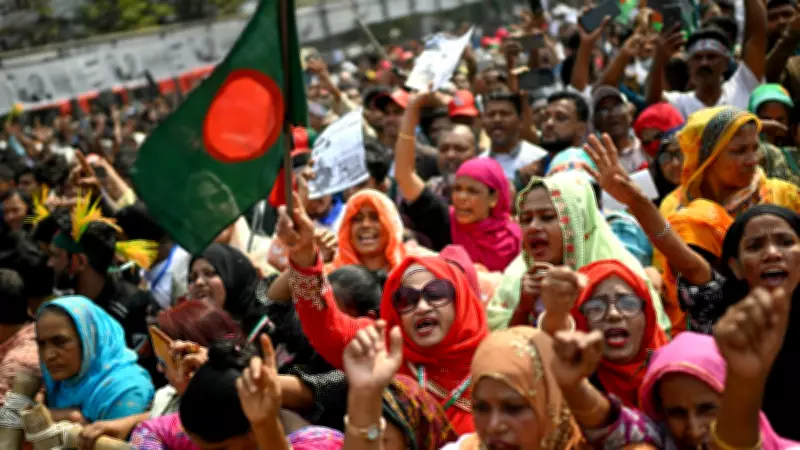
As Bangladesh gears up for its next general election in 2026, the political landscape is already buzzing with intense activity and strategic maneuvers. This upcoming poll is poised to be a critical juncture for the nation, with major parties and alliances vying for power in a contest that could reshape the country's democratic trajectory. The election is expected to draw significant attention both domestically and internationally, given Bangladesh's growing economic and geopolitical importance in South Asia.
Key Players and Alliances in the Fray
At the forefront of the electoral battle is Tarique Rahman, a prominent figure in the Bangladesh Nationalist Party (BNP). As the acting chairman of the BNP, Rahman's leadership and political strategies are under close scrutiny, especially as he navigates legal challenges and exile-related issues. His role is pivotal in mobilizing the opposition against the incumbent Awami League government, led by Prime Minister Sheikh Hasina.
Another significant development is the BNP-Jamaat alliance, which has historically been a formidable force in Bangladeshi politics. This coalition between the BNP and the Jamaat-e-Islami party aims to consolidate opposition votes and present a united front. However, the alliance faces internal and external pressures, including allegations of extremism and governance concerns, which could impact its electoral prospects and public perception.

Adding to the political mix is the Nationalist Congress Party (NCP), a smaller but influential player that could play a kingmaker role in certain constituencies. The NCP's stance on key issues like economic reform, social justice, and foreign policy will be crucial in attracting swing voters and potentially forming post-election coalitions.
Voting Updates and Electoral Dynamics
Early reports and analyses suggest that voter turnout and engagement are expected to be high, driven by issues such as economic stability, corruption, and human rights. The Election Commission of Bangladesh is working to ensure a free and fair process, though concerns about electoral integrity and transparency persist, given past controversies and allegations of rigging.
Key battlegrounds include urban centers like Dhaka and Chittagong, as well as rural areas where local issues and patronage networks often sway votes. The use of technology in voting and campaign strategies is also on the rise, with parties leveraging social media and digital platforms to reach younger demographics and undecided voters.
Potential Outcomes and Implications
The results of the 2026 election could have far-reaching consequences for Bangladesh's domestic and international policies. A victory for the Awami League might signal continuity in economic growth and foreign relations, particularly with neighbors like India and China. Conversely, a win for the BNP-led opposition could herald shifts in governance, with potential impacts on trade, diplomacy, and internal security.
Moreover, the role of smaller parties like the NCP could influence coalition-building and policy-making, especially if no single party secures a clear majority. Observers are closely watching for signs of post-election stability or unrest, as Bangladesh strives to balance democratic aspirations with developmental goals.
In summary, the 2026 Bangladesh election is more than just a political contest; it is a reflection of the nation's evolving identity and aspirations. With figures like Tarique Rahman at the helm of opposition efforts, and alliances like BNP-Jamaat shaping the narrative, the outcome will undoubtedly shape Bangladesh's future for years to come.