ASI Report Concludes Bhojshala Mosque Constructed from Ancient Temple Parts
The Madhya Pradesh High Court is set to hold a crucial hearing on Monday regarding the Archaeological Survey of India (ASI) report on the disputed Bhojshala-Kamal Maula Mosque complex. The extensive report, spanning 10 volumes and over 2,000 pages, presents a significant finding based on rigorous scientific and archaeological analysis.
Key Findings of the ASI Report
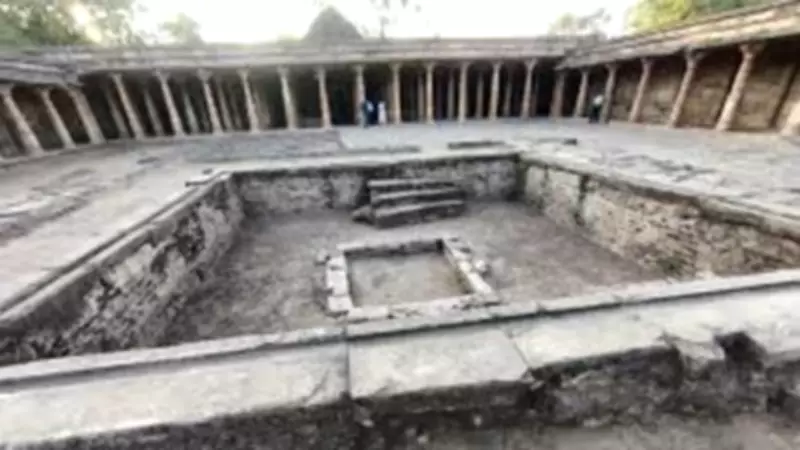
The ASI report concludes that the existing mosque structure was constructed using parts from earlier temples. This determination is based on a comprehensive methodology involving scientific investigations, detailed surveys, archaeological excavations, and thorough analysis of retrieved artifacts. The study also included an examination of architectural remains, sculptures, inscriptions, and various art forms found at the site.
"Based on scientific investigations, surveys and archaeological excavations, study and analysis of retrieved finds, and examination of architectural remains, sculptures, inscriptions and art, it can be said that the existing structure was made from parts of earlier temples," states the official ASI report. This finding adds a new dimension to the long-standing dispute over the religious site.
Legal Proceedings and Court Hearing
The Madhya Pradesh High Court's Indore bench will specifically hear objections and suggestions related to the ASI report during Monday's session. This hearing follows petitions that were being addressed under the directions of the Supreme Court of India, indicating the national significance of this case.
The court proceedings are expected to focus on the technical aspects of the ASI report and consider various perspectives regarding its conclusions. Legal experts anticipate that the hearing may address questions about the methodology used in the survey, the interpretation of findings, and potential implications for the future status of the disputed site.
Background of the Bhojshala-Kamal Maula Mosque Complex
The Bhojshala-Kamal Maula Mosque complex has been a subject of historical and religious controversy for decades. Located in the Dhar district of Madhya Pradesh, the site is claimed by both Hindu and Muslim communities, with each asserting historical rights to the location.
The ASI survey was conducted as part of efforts to scientifically examine the historical layers of the site and provide evidence-based insights into its construction and evolution over centuries. The comprehensive nature of the report, with its 2,000 pages of analysis, represents one of the most detailed archaeological examinations of a disputed religious site in recent Indian history.
Monday's hearing before the Madhya Pradesh High Court marks a critical juncture in the legal process surrounding this historically significant site, with potential implications for similar disputes across the country.