Amit Shah Declares India 'Naxal-Free': A Historic Milestone in Internal Security
Union Home Minister Amit Shah has made a landmark declaration, proclaiming India as 'Naxal-free.' This announcement represents a pivotal moment in the nation's long-standing battle against left-wing extremism, which has plagued various regions for decades. The statement underscores a dramatic transformation in India's internal security landscape, shifting from a period of widespread insurgency to one of controlled stability.
The Evolution of the Maoist Insurgency in India
The Maoist insurgency, often referred to as the Naxalite movement, originated in the 1960s in Naxalbari, West Bengal. It grew into a formidable force, creating a vast 'Red Corridor' that stretched across central and eastern India. At its peak in the mid-2000s, this left-wing extremism impacted approximately 200 districts spread across at least 12 states. Former Prime Minister Manmohan Singh famously described it as India's 'the single biggest internal-security challenge,' highlighting the severe threat it posed to national stability and development.
Significant Reduction in Insurgency Footprint
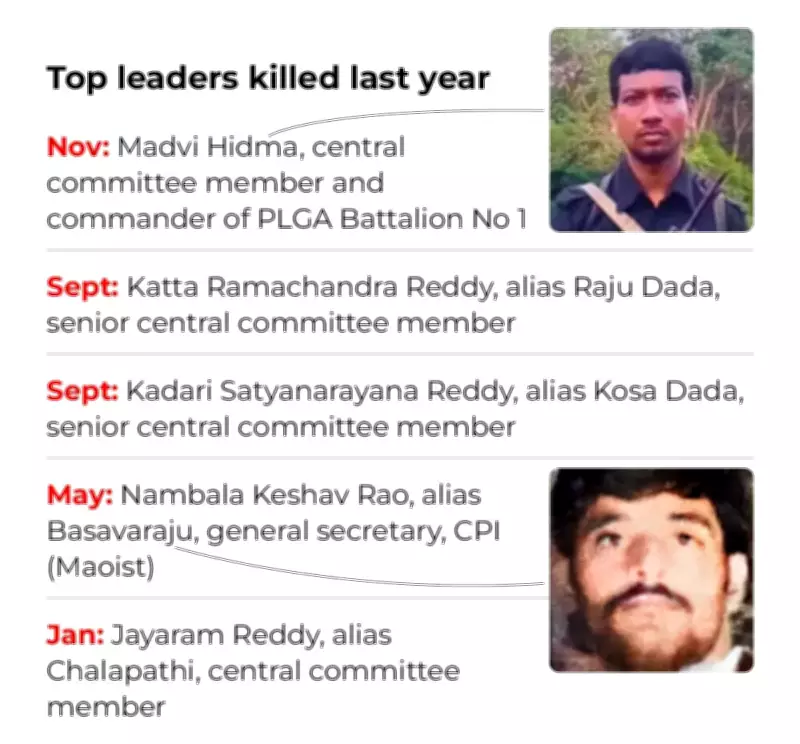
Over the years, concerted efforts by security forces and government initiatives have led to a sharp decline in the insurgency's presence. The once-expansive 'Red Corridor' has now shrunk considerably, both in terms of territorial control and operational capacity. Key factors contributing to this reduction include:

- Enhanced Security Operations: Coordinated actions by central and state police forces, along with paramilitary units, have disrupted Maoist networks.
- Development Initiatives: Government schemes focused on infrastructure, education, and healthcare in affected areas have addressed some root causes of extremism.
- Community Engagement: Efforts to win the trust of local populations have isolated insurgent groups from their support bases.
As a result, the number of affected districts has decreased significantly, with security forces now expected to tighten control over the few remaining pockets of activity.
What 'Naxal-Free' Means for India's Future
Amit Shah's declaration of India as 'Naxal-free' carries profound implications for the nation's security and governance. It signals a major achievement in counter-insurgency efforts, but it also raises questions about the path forward. Key aspects to consider include:
- Security Consolidation: With the insurgency largely contained, focus must shift to maintaining peace and preventing resurgence through vigilant monitoring and rapid response mechanisms.
- Socio-Economic Development: Continued investment in development projects is crucial to ensure that former conflict zones experience growth and integration into the mainstream economy.
- Legal and Policy Frameworks: Strengthening laws and policies to address any residual threats while protecting human rights will be essential for long-term stability.
While the declaration marks a turning point, experts caution that complacency could undermine progress. The government must remain proactive in addressing underlying issues such as poverty, land rights, and social justice to sustain this hard-won peace.
Challenges and Opportunities Ahead
The road ahead presents both challenges and opportunities. On one hand, the reduced insurgency allows for greater focus on other security priorities and economic development. On the other hand, ensuring that gains are not reversed requires sustained effort. Security forces will need to adapt to new threats, while policymakers must balance security measures with inclusive growth strategies.
In conclusion, Amit Shah's announcement of India as 'Naxal-free' is a testament to the resilience and determination of the nation's security apparatus. It reflects a significant victory in the fight against internal extremism, but it also calls for continued vigilance and holistic development to secure a peaceful future for all regions of India.