American Streamer Johnny Somali Sentenced to Six Months in South Korean Prison
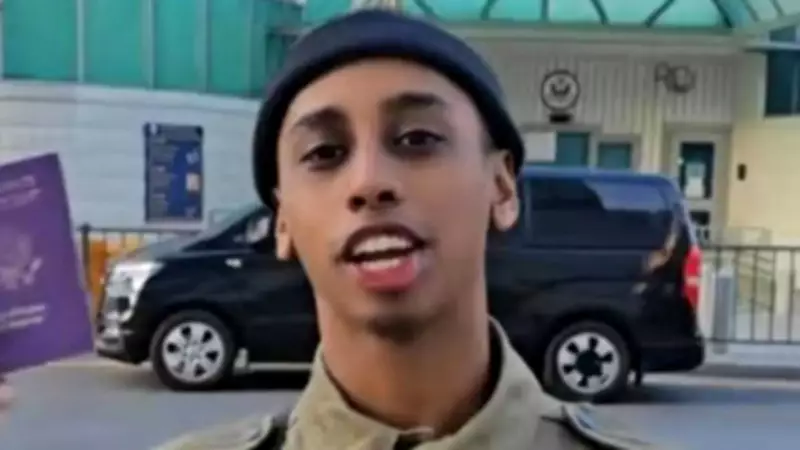
In a significant legal development, the controversial American streamer Johnny Somali has been sentenced to six months in prison by a South Korean court. The Seoul Western District Court delivered its verdict on April 15, 2026, finding Somali guilty of creating public disturbance and distributing deepfake content. This case marks a serious escalation in the legal troubles faced by the online personality, whose provocative videos have sparked outrage across multiple countries.
Court Cites Repeated Offenses for Profit
The court's decision came after prosecutors presented evidence of Somali's repeated violations of public order laws. The judge explicitly stated, "The defendant repeatedly committed crimes against unspecified members of the public to generate profit via YouTube and distributed the content in disregard of Korean law." While prosecutors had sought a three-year sentence, the court imposed a shorter six-month term, noting that no severe physical harm resulted from his actions.
During the hearing, Somali offered an apology, attributing his behavior to alcohol influence and cultural misunderstanding. "I did some foolish things under the influence of alcohol, and I realize the consequences," he told the court. "Having been born and raised in the United States, I did not realize how serious the consequences of these actions could be in Korea."

History of Controversial Behavior Across Borders
This is not Somali's first encounter with international law enforcement. His pattern of controversial content creation includes:
- Japan (2023): Arrested for disturbing passengers on a train, resulting in fines after some charges were dropped.
- Israel (2024): Briefly detained following an incident during a protest before being released.
- South Korea (2024 onward): Continued provocative videos, including one filmed near "comfort women" statues that triggered widespread public anger.
Upon arriving in South Korea in 2024, Somali persisted in creating content that authorities deemed disruptive. His filming near memorial statues honoring World War Two victims proved particularly inflammatory, leading to his arrest on charges of public order violations and obstruction of business. Authorities subsequently restricted his travel while the case proceeded through the legal system.
Broader Implications for Content Creators
This case has reignited important discussions about the boundaries of content creation in the digital age. Legal experts note several key considerations:
- Jurisdictional Challenges: Content creators operating across international borders must navigate varying legal frameworks and cultural sensitivities.
- Monetization Ethics: The court specifically cited profit generation as a factor in Somali's sentencing, highlighting how financial motives can influence legal outcomes.
- Cultural Awareness: The case underscores the importance of understanding local contexts, particularly when dealing with historically sensitive subjects.
Even personal appeals failed to sway the court's decision. Reports indicate that Somali's mother submitted a formal request for leniency, but the judge maintained that the defendant's repeated pattern of behavior warranted incarceration.
As digital content creation continues to evolve, this case serves as a cautionary tale about the legal risks associated with provocative online behavior. The South Korean court's firm stance demonstrates that foreign content creators are not exempt from local laws, regardless of their online following or monetization strategies.