Allahabad High Court Scrutinizes Continuing Demolitions in Uttar Pradesh
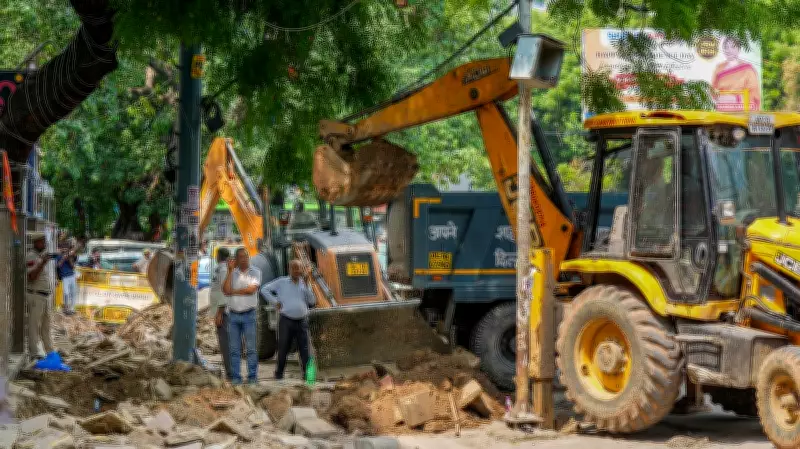
The Allahabad High Court has issued a pointed inquiry into the persistence of punitive demolitions in Uttar Pradesh, despite a clear and binding ban on bulldozer actions imposed by the Supreme Court of India. This judicial intervention highlights a significant legal and constitutional conflict unfolding in one of India's most populous states.
Bench Questions Executive Discretion in Demolition Actions
A two-judge bench comprising Justices Atul Sreedharan and Siddhartha Nandan has formally questioned the Uttar Pradesh state government regarding the timing and justification of these demolition operations. The bench specifically asked whether demolishing structures immediately following the commission of an alleged offence represents a colourable exercise of executive discretion. This legal term refers to actions that appear legitimate on the surface but are actually undertaken for improper or unauthorized purposes, potentially undermining the rule of law.
Supreme Court Ban and Its Implications
The backdrop to this judicial scrutiny is a Supreme Court order that explicitly prohibited the use of bulldozers for punitive demolitions. The apex court's directive was aimed at curbing arbitrary actions and ensuring that any demolition adheres to due process and legal safeguards. However, reports and petitions indicate that such demolitions have continued in Uttar Pradesh, raising alarms about compliance with higher judicial mandates.

Legal and Social Ramifications
The High Court's inquiry delves into several critical aspects:
- Constitutional Validity: Whether the state's actions align with constitutional principles of justice and fairness.
- Procedural Compliance: If due process, including notice and hearing, is being followed before demolitions.
- Executive Accountability: The extent to which executive discretion can be exercised without judicial oversight.
This case underscores the tension between state authority and judicial oversight, with potential implications for governance and civil liberties across India.
State Government's Response Awaited
The Uttar Pradesh government is now expected to provide a detailed response to the High Court's queries. Legal experts suggest that the state's justification will need to address:
- The legal basis for continuing demolitions post the Supreme Court ban.
- The criteria used to link demolitions to specific offences.
- Measures taken to ensure transparency and avoid misuse of power.
The outcome of this judicial review could set a precedent for how states balance law enforcement with judicial mandates in similar contexts.
Broader Context and Public Interest
This development occurs amid ongoing debates about the use of bulldozers as a tool of administrative action in India. Advocates argue that such measures are necessary for maintaining order and deterring crime, while critics contend they often bypass legal procedures and disproportionately affect marginalized communities. The Allahabad High Court's intervention brings these issues to the forefront of legal discourse, emphasizing the need for clarity and adherence to judicial orders.
As the case progresses, it will be closely watched by legal scholars, human rights organizations, and the public, given its potential to influence policy and judicial interpretations nationwide. The High Court's final ruling could reinforce the supremacy of constitutional safeguards or redefine the boundaries of executive power in India's federal structure.