The Allahabad High Court has taken a firm stance against procedural delays in a tragic compensation case, refusing to grant any further postponement in the claim filed by the husband of a victim who lost her life during a stampede at the Kumbh Mela.
Court Directs Expedited Resolution Within Strict Deadline
In a significant judicial order aimed at delivering timely justice, the high court has issued a clear directive to the Mela Authority and the concerned commission. The bench has mandated that these bodies must conclusively finalize the compensation claim submitted by the bereaved husband. The court has set a stringent deadline of thirty days for this entire process to be completed, emphasizing the urgency of providing relief to the aggrieved family.
Background of the Tragic Incident and Legal Proceedings
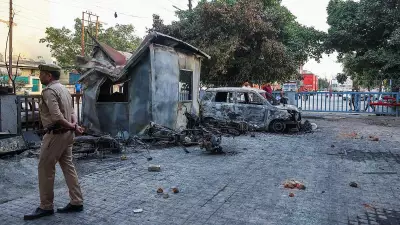
The case stems from a devastating stampede that occurred during the Kumbh Mela, one of the world's largest religious gatherings held in Uttar Pradesh. The incident resulted in multiple fatalities and injuries, with this particular claim involving the husband of a deceased victim who has been seeking compensation for his loss. The legal proceedings had faced previous delays, prompting the husband to approach the high court seeking expedited resolution.

The court's refusal to allow any further adjournments or extensions marks a decisive intervention in a matter that has lingered in the system. By imposing the thirty-day ultimatum, the judiciary has underscored the administrative responsibility of the Mela Authority and the commission to act with promptness and efficiency in such sensitive cases.
Implications for Future Compensation Claims and Administrative Accountability
This ruling is expected to set a precedent for how compensation claims related to public event tragedies are handled by authorities in Uttar Pradesh and potentially across India. The high court's insistence on a fixed timeline highlights the growing judicial impatience with bureaucratic delays, especially in matters concerning victim compensation and family welfare.
The order implicitly places accountability on the Mela Authority, which organizes the massive congregation, to ensure that mechanisms for addressing such tragedies are not only in place but are also executed without unnecessary procedural hurdles. For the victim's husband, this judicial directive brings a renewed hope for closure and financial support after a prolonged period of uncertainty and grief.
Legal experts view this as a reinforcement of the judiciary's role in safeguarding citizens' rights to swift justice, particularly in cases involving state-organized events where duty of care is paramount. The thirty-day window now places the onus squarely on the administrative bodies to demonstrate their commitment to resolving such claims with the seriousness and urgency they deserve.