28 Indian Vessels with 778 Seafarers Stranded in Persian Gulf Amid Regional Tensions
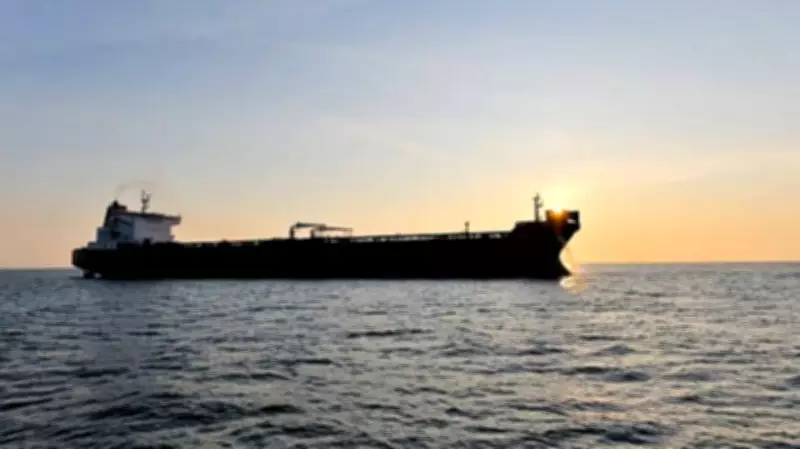
The Indian government has officially confirmed a significant maritime crisis unfolding in the Persian Gulf region, with 28 Indian vessels carrying 778 seafarers currently stranded and unable to proceed with their voyages. This alarming situation has raised serious concerns about the safety and well-being of the Indian crew members onboard these ships.
Breakdown of Stranded Vessels and Crew
According to detailed information provided by the Centre, the stranded vessels are distributed across two key areas of the strategic Persian Gulf:
- 24 vessels with 677 seafarers are currently positioned on the western part of the critical Strait of Hormuz
- 4 additional vessels with 101 persons are located on the eastern side of the same strategic waterway
The Strait of Hormuz represents one of the world's most vital maritime chokepoints, through which approximately one-fifth of global oil shipments typically pass. The current immobilization of these Indian vessels in such a sensitive region has created substantial logistical and diplomatic challenges.
Government Response and Diplomatic Efforts
Indian authorities have initiated urgent diplomatic communications with relevant regional stakeholders to address this developing crisis. The Ministry of External Affairs is reportedly coordinating with multiple agencies to ensure the safety and eventual repatriation of the stranded seafarers.
"We are closely monitoring the situation and taking all necessary measures to ensure the welfare of our citizens," stated an official government spokesperson. "Our priority remains the safe return of all Indian seafarers to their families."
The Centre has established a dedicated task force to manage this complex situation, which involves:
- Continuous communication with vessel operators and shipping companies
- Coordination with international maritime organizations
- Provision of essential supplies to stranded vessels where possible
- Diplomatic engagement with regional governments
Impact on Shipping and Regional Trade
This incident has created significant disruptions to regional shipping operations, with the immobilized vessels representing a substantial portion of Indian maritime presence in the Persian Gulf. The situation has prompted concerns about broader implications for:
- International shipping routes through the Strait of Hormuz
- Regional trade patterns and supply chains
- Energy security given the strategic importance of the area
- Maritime insurance and shipping industry operations
Shipping industry analysts note that prolonged immobilization of vessels in this region could have cascading effects on global trade, particularly affecting energy markets and international shipping schedules.
Families Await News of Stranded Seafarers
Across India, families of the 778 stranded seafarers are anxiously awaiting updates about their loved ones. Many have expressed concerns about the psychological and physical well-being of crew members who have been unexpectedly detained in foreign waters.
The government has established helplines and support systems for families seeking information about specific vessels or crew members. Regular briefings are being conducted to keep affected families informed about ongoing efforts to resolve the situation.
As of March 11, 2026, the situation remains fluid with diplomatic negotiations continuing. The Indian government maintains that resolving this crisis and ensuring the safe return of all Indian seafarers remains its highest priority in the region.