

Security Personnel Injured in Naxalite IED Blasts in Chhattisgarh's Bijapur District
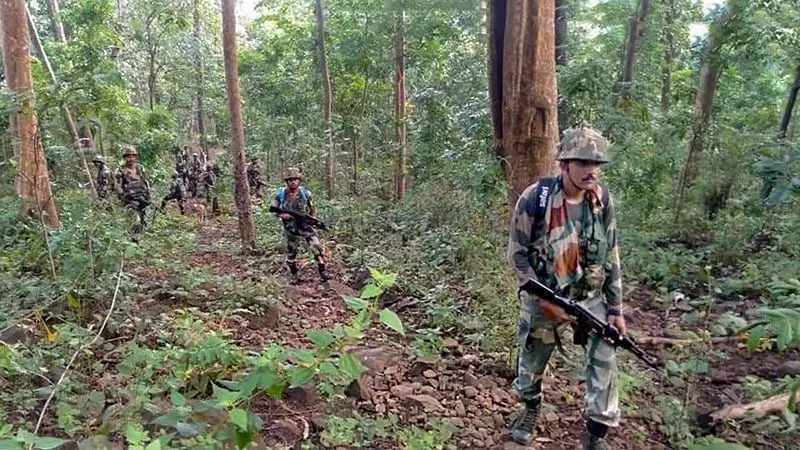
In a distressing incident underscoring the persistent Maoist insurgency in central India, eleven security personnel were injured after improvised explosive devices planted by Naxalites exploded in Chhattisgarh's Bijapur district. The blasts occurred during a routine patrol operation, highlighting the ongoing security challenges in the region known for its dense forests and rugged terrain, which often provide cover for insurgent activities.
Details of the Incident and Immediate Response
The explosions took place in a remote area of Bijapur, a district that has been a hotspot for Naxalite violence over the years. According to preliminary reports, the security forces were conducting a search operation when they triggered the IEDs, which had been strategically placed by the Maoists. The injured personnel, who belong to various security units deployed in the region, were quickly evacuated to a nearby medical facility for treatment. Their conditions are reported to be stable, with authorities confirming that none of the injuries are life-threatening.
Local police and paramilitary forces have launched a thorough investigation into the incident, aiming to ascertain the exact circumstances and identify those responsible. The area has been cordoned off, and additional security measures have been implemented to prevent further attacks. This event serves as a stark reminder of the risks faced by security forces in combating left-wing extremism in India's tribal heartlands.

Context of Naxalite Insurgency in Chhattisgarh
Chhattisgarh, particularly districts like Bijapur, has long been a focal point of Naxalite activities, with frequent clashes between security forces and insurgent groups. The Maoist insurgency, which originated in the late 1960s, continues to pose significant security threats in several states, including Chhattisgarh, Jharkhand, and Odisha. The use of IEDs is a common tactic employed by Naxalites to target security personnel and disrupt government operations in these regions.
In recent years, the government has intensified counter-insurgency operations, leading to a reduction in violence in some areas. However, incidents like the Bijapur blasts indicate that the threat persists, necessitating ongoing vigilance and strategic efforts to address the root causes of the insurgency, such as poverty, lack of development, and social marginalization. Security experts emphasize the need for a multi-pronged approach combining law enforcement with socio-economic initiatives to achieve lasting peace.
Implications for Security and Future Measures
The injury of eleven security personnel in Bijapur raises concerns about the effectiveness of current counter-insurgency strategies and the safety of those on the front lines. It underscores the importance of enhanced intelligence gathering, better equipment, and improved training for forces operating in high-risk zones. Authorities are likely to review and reinforce security protocols in the aftermath of this incident to prevent similar occurrences in the future.
Moreover, this event may impact local communities, as increased security presence and operations could affect daily life and economic activities. The government's response will be closely watched, with calls for accelerated development projects and dialogue to address grievances that fuel the insurgency. As India continues its fight against left-wing extremism, the Bijapur blasts serve as a poignant example of the human cost involved and the challenges that remain in achieving stability in affected regions.






