Karnataka Deputy CM Unveils Ambitious Mobility Grid Plan for All Cities
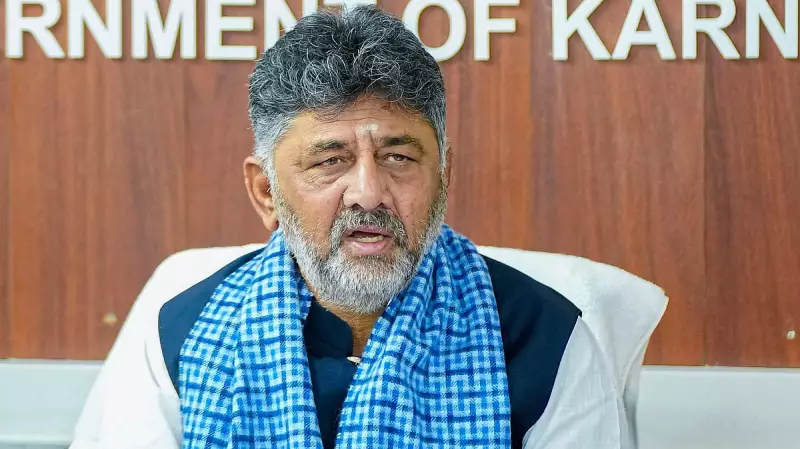
In a significant move aimed at transforming urban infrastructure, Karnataka Deputy Chief Minister D K Shivakumar has announced the development of a comprehensive mobility grid across all cities in the state. This strategic initiative is designed to foster future growth, enhance connectivity, and streamline transportation systems to meet the evolving needs of Karnataka's urban population.
Inter-Departmental Collaboration to Formalize the Plan
Shivakumar revealed that a high-level meeting will soon be convened, bringing together ministers from key departments to formalize the mobility grid blueprint. The meeting will include officials from:
- Urban Development
- Revenue
- Panchayat Raj
This collaborative approach underscores the government's commitment to integrating various administrative facets to ensure a cohesive and effective implementation of the grid. The Deputy CM emphasized that this plan is crucial for addressing current urban challenges and paving the way for sustainable development.
Objectives and Expected Impact of the Mobility Grid
The proposed mobility grid aims to revolutionize transportation networks by focusing on several key areas:
- Enhanced Connectivity: Improving links between different modes of transport to reduce travel time and congestion.
- Infrastructure Upgrades: Modernizing existing roads, public transit systems, and digital platforms for better mobility management.
- Economic Growth: Stimulating local economies through improved access to markets, employment hubs, and services.
- Sustainability: Incorporating eco-friendly practices to minimize environmental impact and promote green urban living.
By addressing these aspects, the grid is expected to boost Karnataka's urban resilience and competitiveness on a national scale.
Context and Future Steps
This announcement comes at a time when Indian cities are grappling with rapid urbanization and increasing demands on transportation infrastructure. Shivakumar's proactive stance highlights Karnataka's forward-thinking approach to urban planning. Following the ministerial meeting, detailed proposals and timelines will be developed, with public consultations likely to follow to incorporate citizen feedback.
The mobility grid plan represents a pivotal step in shaping Karnataka's urban future, aligning with broader national goals of smart city development and efficient public service delivery.