Record Rs 14,205 Crore Railway Allocation for West Bengal in 2026-27 Budget
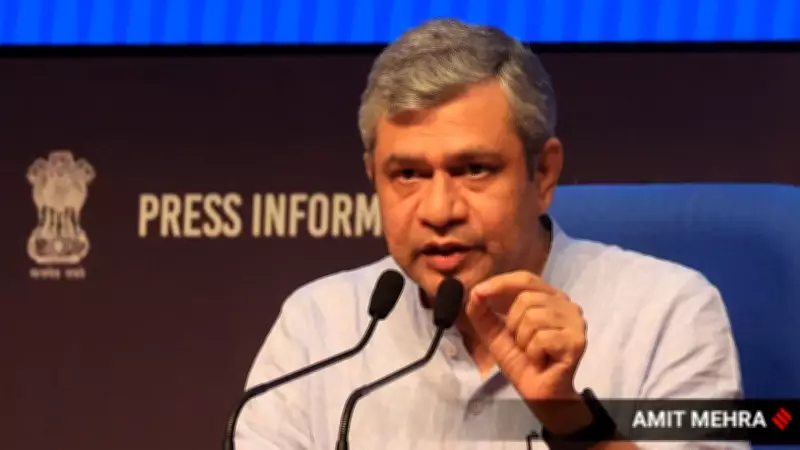
Railway Minister Ashwini Vaishnaw announced on Monday that the Centre has allocated Rs 14,205 crore for railway infrastructure development in West Bengal under the Union Budget for 2026-27. This substantial investment represents a significant increase compared to historical allocations, with the Minister emphasizing that it is triple the average allocation of Rs 4,380 crores per year for the state during the period from 2009 to 2014 under the previous UPA government.
Major Projects and Infrastructure Boost
The budget provisions cover a wide array of modernization and expansion initiatives across Eastern India. Key highlights include:
- High-Speed Rail Corridor: Sanction of a high-speed rail corridor connecting Varanasi in Uttar Pradesh to Siliguri in North Bengal, with plans for eventual extension to Assam. Eastern Railway General Manager Milind K Deouskar noted that this bullet train project, among seven new routes, may take 6-7 years to complete, with the Detailed Project Report being a current priority.
- Dedicated Freight Corridor (DFC): Progress on the 2052-km-long DFC from Dankuni in West Bengal to Surat in Gujarat, aimed at connecting and decongesting railway networks to boost goods movement efficiency.
- Station Redevelopment: Under the Amrit Station Scheme, 101 stations in West Bengal, along with 57 in Jharkhand and 59 in Odisha, have been identified for complete redevelopment to enhance passenger experience.
- Safety Enhancements: Deployment of AI-based technology to detect animal movement near railway tracks, specifically targeting the prevention of elephant fatalities.
Comparative Allocations for Eastern States
A statement from South Eastern Railways provided comparative data showcasing increased investments across neighboring states:

- Jharkhand: Total outlay of Rs 7,536 crores for 2026-27 against an average of Rs 457 crores from 2009 to 2014.
- Odisha: Allocation of Rs 10,928 crores for the current fiscal year compared to an average outlay of Rs 838 crores during the UPA era.
Anil Kumar Mishra, General Manager of South Eastern Railway, stated that this massive investment will fund track creation, station redevelopment, and safety enhancements, fundamentally transforming rail infrastructure in the region.
Persistent Challenges: Land Acquisition and Cooperation
Despite the increased funding, Railway officials highlighted ongoing obstacles, particularly concerning land acquisition and state cooperation. Minister Vaishnaw pointed to the Chinrighata Metro project in Kolkata as a case where, despite court orders, the state government has yet to provide necessary land, delaying progress.
General Manager Deouskar elaborated on these challenges, noting that out of 100 Road Over Bridges sanctioned under Eastern Railway, at least 70 are in West Bengal where land or in-principle approvals are lacking. "Even though the Railway is now funding 100 per cent of the cost — moving away from the old 50-50 per cent share model — we are still facing problems," he said. This has led to operational strains, with trains frequently stopped for 10-15 minutes at busy level crossings.
Additional Concerns and Initiatives
The press conference also addressed other critical issues:

- Service Expansion: Sealdah Division added 44 Electric Multiple Unit services last year, with a total of 115 new trains introduced across West Bengal.
- Vandalism: 150 cases of stone-pelting were recorded last year, with Malda Division most affected. Railway authorities are conducting counseling sessions in schools to sensitize children and protect infrastructure.
- Metro Development: Vaishnaw contrasted the pace of metro construction, stating that while 27 km were laid over 40 years under previous governments, the NDA has completed 45 km in just 11 years.
The briefing was attended by senior officials including Uday Shankar Jha, Principal Chief Commercial Manager of Eastern Railway, underscoring the comprehensive approach to addressing both opportunities and hurdles in railway development for West Bengal and the broader eastern region.